Home » Thin-Wall Injection Molding for Consumer Electronics: Miniaturization and Precision Challenges
Thin-Wall Injection Molding for Consumer Electronics: Miniaturization and Precision Challenges


Table of Contents

- What Makes Thin-Wall Injection Molding More Challenging?
- ABS, PC, PC/ABS, and LCP Compared
- Mold Design for Precision: Minimizing Weld Lines, Short Shots, and Warpage
- How Does Yijiang Technology Verify Thin-Wall Injection Molding Precision?
- Repeatable and Precise Mass Production
- How Should an OEM Evaluate Costs and Suppliers of Thin-Wall Injection Molding?


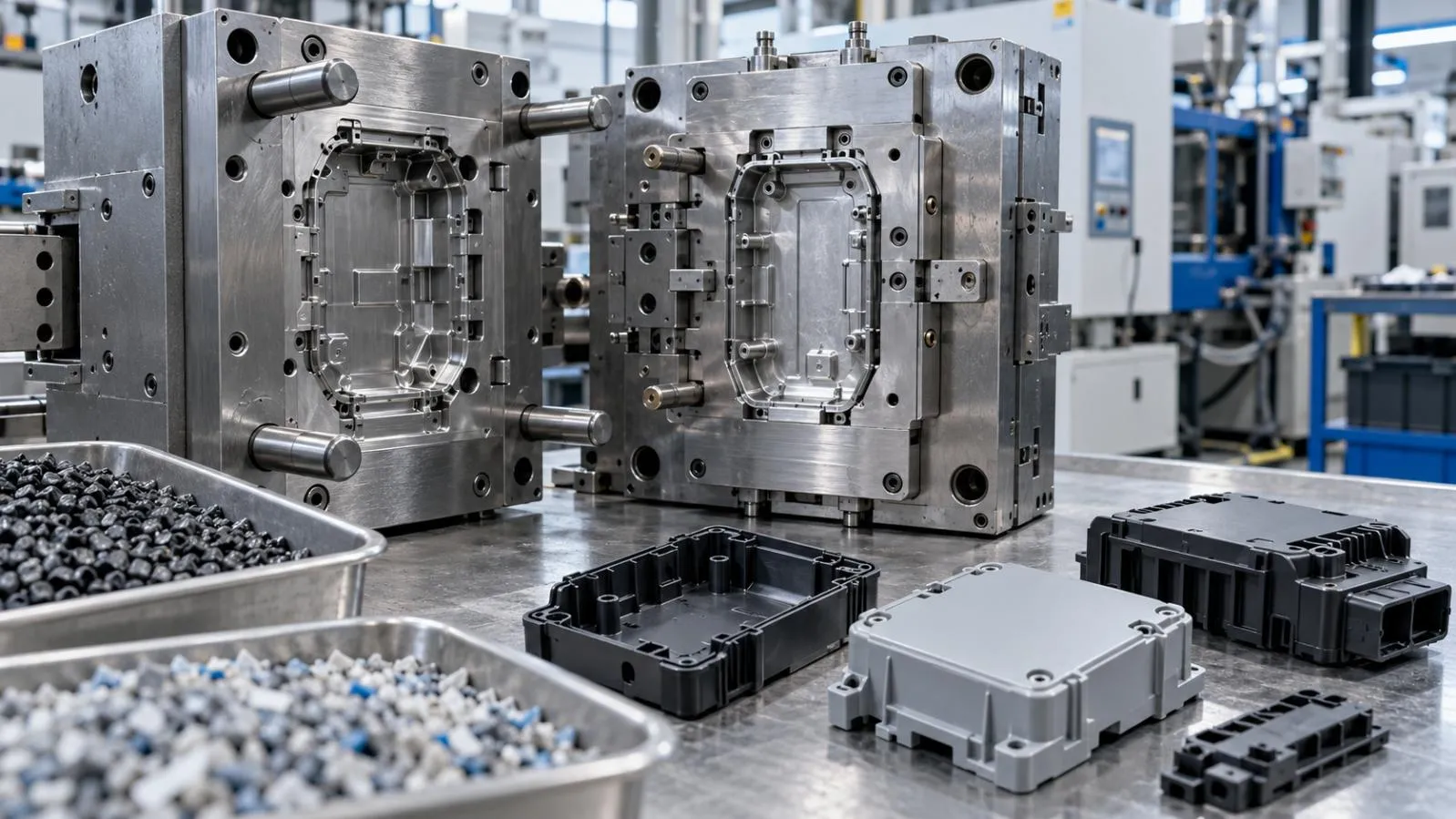
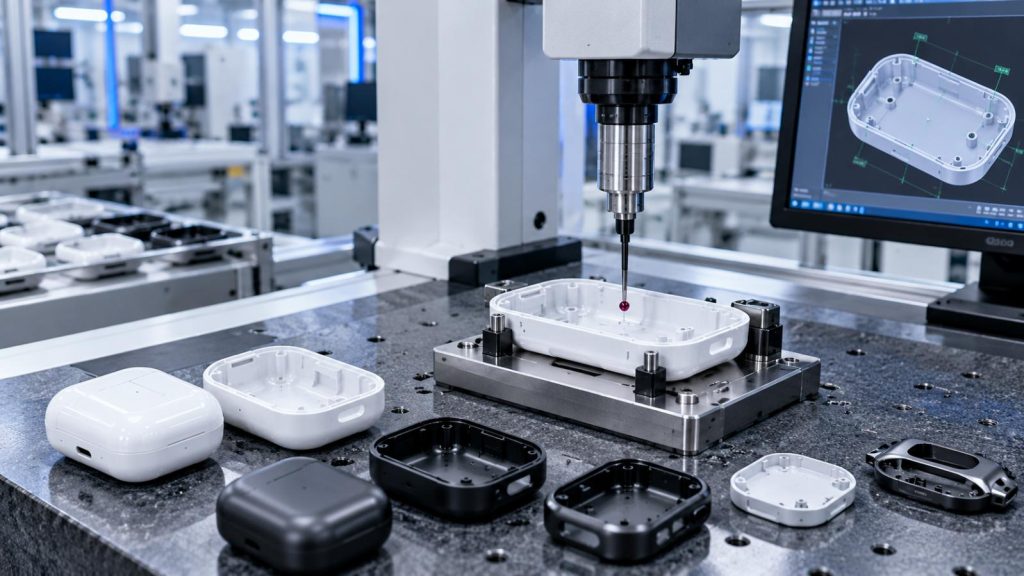
In various consumer electronic products, such as wireless earphones, wearable devices and ECMs, space is at a premium, and very thin wall designs are used to create housings.
The successful design and manufacturing of housings with extremely thin walls and different functional features such as snaps and bosses, creates challenges for filling the mold and tolerance control due to restrictions in mold shrinkage.
Prior to production, we analyze the materials and combine advanced design of the component with precise engineering of the mold to control the process and reduce the thin-wall manufacturing challenges.
What Makes Thin-Wall Injection Molding More Challenging?
Limited process windows are a constrain in Thin-Wall Injection Molding.
As the thickness of the wall decreases, the melt can solidify prior to full mold filling. This occurs because the thinner wall decreases heat removal (or increase resistance to flow) and can constrain the ability of the melt to fully fill the mold. The only alternative to overcome this constrain is to increase the injection speed, which can potentially introduce defects such as trapped air.
Three factors are of special interest:
•Length-to-thickness ratio (L/t): A higher L/t ratio leads to higher filling pressure requirements.
•Injection velocity: Filling must occur before the material solidifies, and flash must be avoided.
•Packing and cooling: The result of gate freeze-off is a limitation of the packing process. Undue shrinkage creates variations in the dimensions of the part.
The control of filling and the harmonization of the rheological behavior of the polymer, the design of the gate and the degree of cooling, are of special importance for thin-wall injection molding and represent the main challenges in this type of injection molding.
The selection of the raw material for thin-wall molding should be based on the requirements of the part, the processing conditions, and the behavior of the polymer during flow.
There is no universal minimum wall thickness for Thin-Wall Injection Molding. A short-flow component may accommodate thinner sections than a larger housing made from the same resin.
ABS, PC, PC/ABS, and LCP Compared
| Material | Manufacturing Advantage | Design Limitation |
| ABS | Good moldability and surface quality | Grade-dependent heat and impact resistance |
| PC | High impact strength and thermal resistance | Higher viscosity and residual-stress sensitivity |
| PC/ABS | Balance of toughness, flow, and appearance | Properties vary significantly by grade |
| LCP | High-flow potential for miniature features | Anisotropic shrinkage and weld-line sensitivity |
For consumer electronics, material evaluation should also consider:
•Dimensional stability under operating temperatures
•Snap-fit fatigue and impact requirements
•Surface finishing and coating compatibility
•Flame-retardancy requirements at the specified wall thickness
Not all high-flow resins eliminate the problems of reduced component toughness and weld line strength.

Mold Design for Precision: Minimizing Weld Lines, Short Shots, and Warpage
Cooling and Gate Location
For thin-wall molds, the filling pattern is largely determined by mold geometry and less by machine settings.
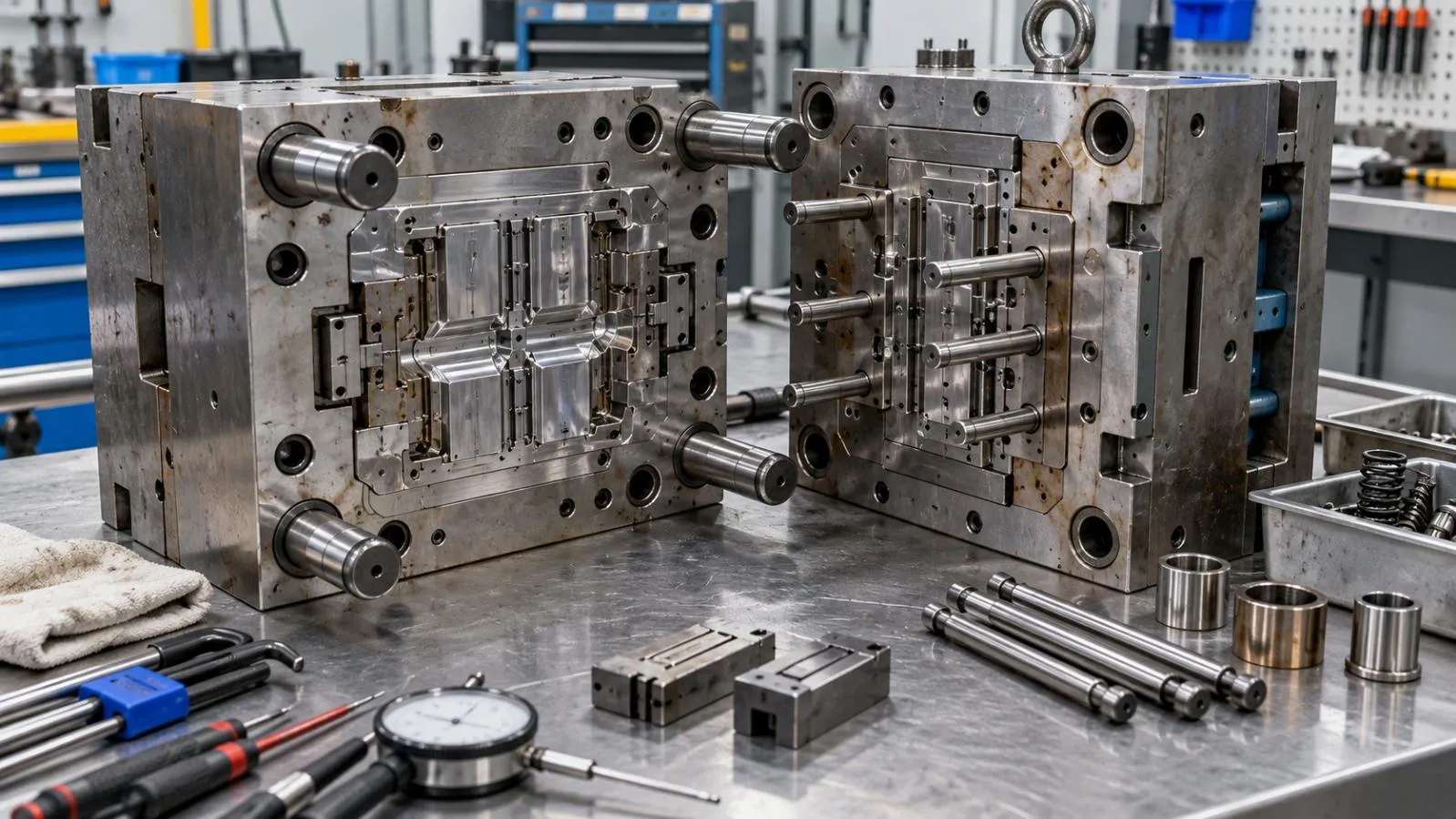
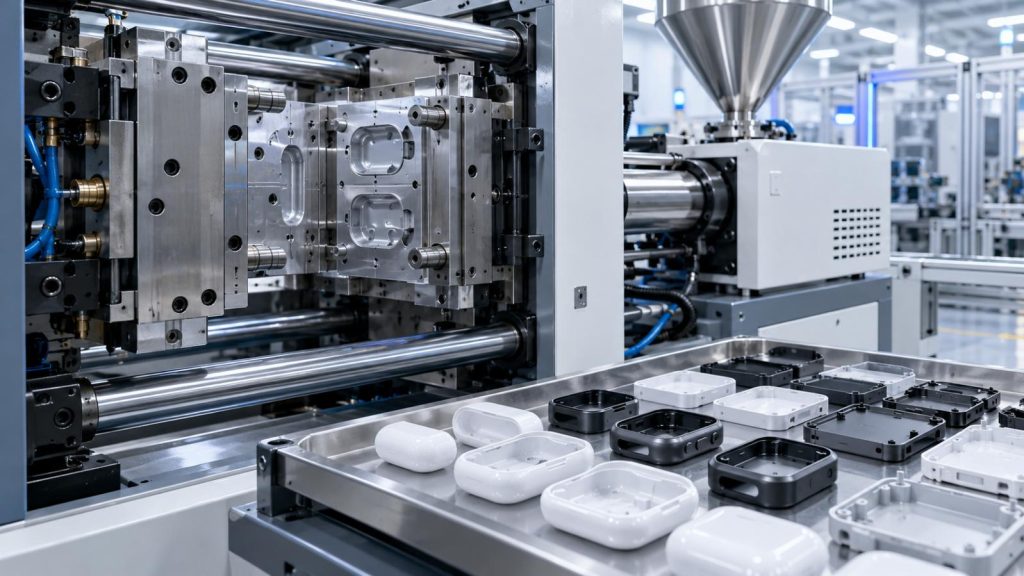
At Yijiang Technology, our moldmaking process entails reviewing DFM, performing CAD design and engineering, conducting mold-flow analysis, and performing trial runs and machining.
The following design elements should be analyzed prior to tooling fabrication:
| Element | Risk | Recommended Action |
| Gates | Long flow paths, additional weld lines | Assess cosmetic requirements and filling balance |
| Wall thickness transitions | Sink marks and warpage | Gradual transitions |
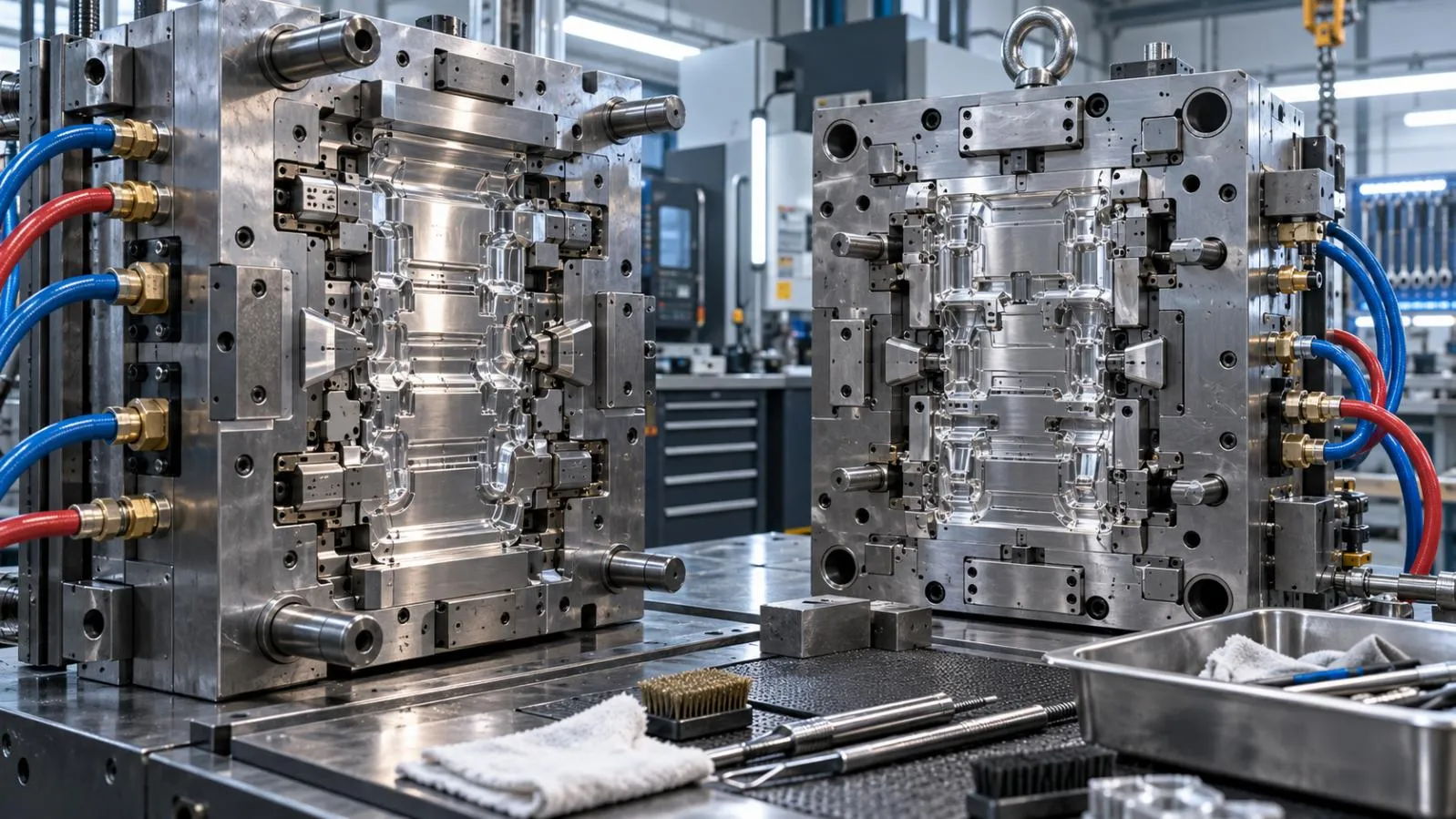
| Cooling | Warp | Even cooling throughout tool |
| Bosses and Ribs | Stress concentration | Thick features |
| Ejection and Venting | Deformation, sticking | Adequate venting and ejection |
It is preferable to use multi-gate designs to balance flow. Simulations are useful in determining flow, but evaluation of potential weld lines and their impact on component strength should be done mechanically.
Mold Flow Analysis allows us to forecast a number of issues before steel cutting. These include: short shots, air traps, excessive molding pressures, and potential warpage. We will still need to trial mold several parts to verify these predictions.
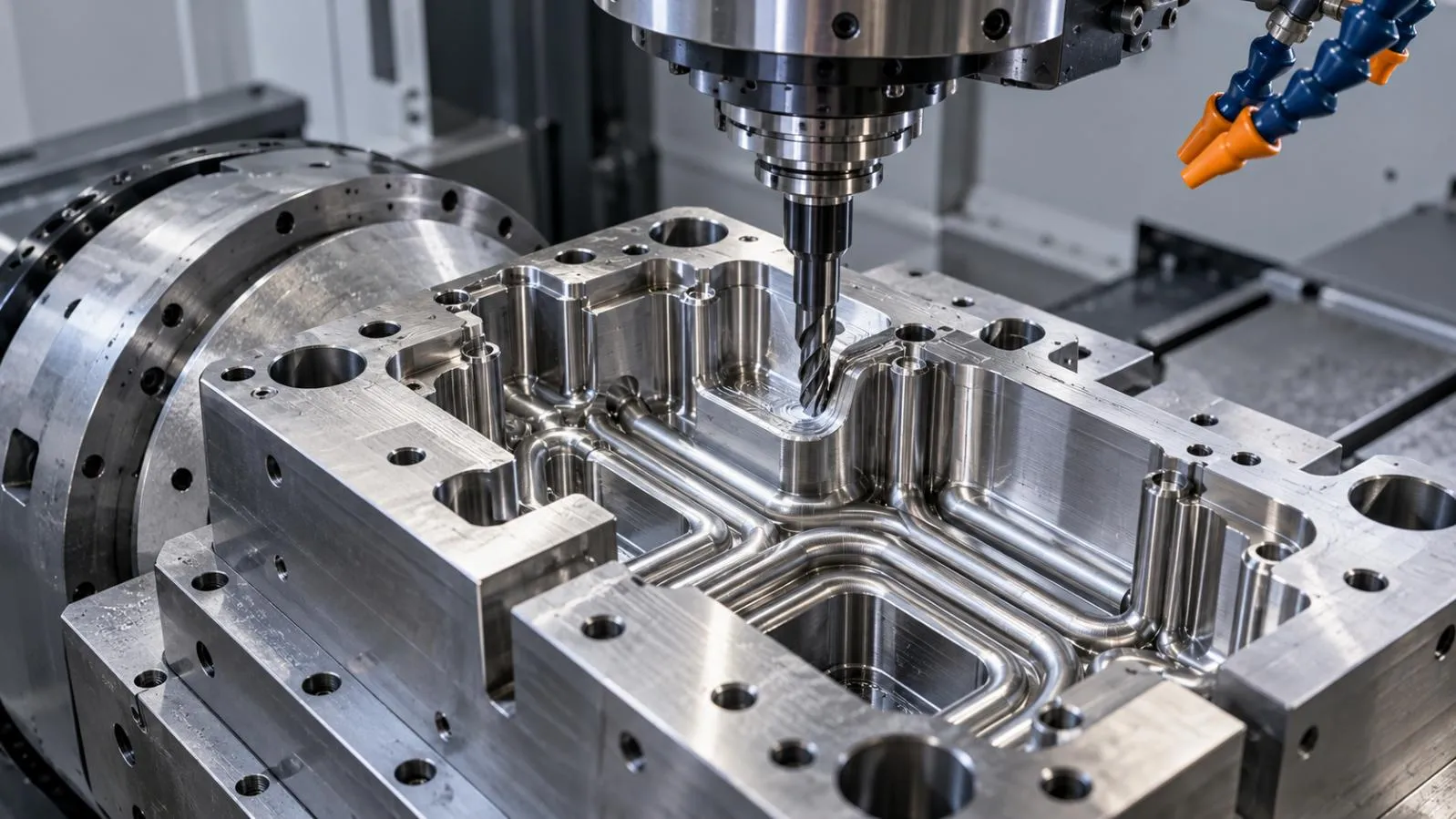
For producing the best precision electronic housings, the combination of CNC and EDM machining may help with difficult features such as thin, intricate ribs and dimmons, and complex cavities.
How Does Yijiang Technology Verify Thin-Wall Injection Molding Precision?
There are many factors that can impact the dimensional accuracy of molded parts, including the behavior of thermoplastics and how a mold is manufactured.
According to Yijiang, the deviation in injection molded parts is +/- 0.02 mm. Deviation in CNC machined parts is +/- 0.01 mm.
The company has a wide range of machining equipment, including:
•Injection molding machines with clamping forces of 50 to 2,500 tons (~ 2,500 to 50 tons)
•CNC machining centers
•EDM machining
•Coordinate Measuring Machines (CMMs) and other measuring equipment
The company acknowledges that a dimensional tolerance of +/- 0.02 mm may not be achievable for all features of a given part.
Repeatable and Precise Mass Production
More considerations are required for mass producing a product than producing a single unit prototype.
The steps in Thin-Wall Injection Molding include:
•A DFM review addresses wall thickness and draft angles. Final approvals are given for rib types and positions as well as the functional tolerances.
•First Article Inspection includes checking dimensions of the first piece produced from each station.
•Functional fits are checked during assembly.
•Stability of dimensions is evaluated as part of Process Window definition.
•Process controls are established during Production and the process is evaluated.
The tooling and molding processes must be carefully orchestrated to produce plastic parts and elements within the desired limits and tolerances. This may be cited in ISO 20457:2026. Understanding and working with the various characteristics of the plastics and molding compounds may be cited in ISO 294-4. It may also help understand and take into account the expected shrinkage.
While assigning functional tolerances, it should be judiciously done for critical features. It need not be done for all external dimensions.
How Should an OEM Evaluate Costs and Suppliers of Thin-Wall Injection Molding?
A reduction in wall thickness does reduce resin consumption. However, other factors such as the complexity of the mold, scrap, and the cycle time, affect the overall cost.
For instance, having multiple cavities in a mold may allow for lower part cost; however, increased complexity in the design of the mold may also increase the overall cost.
When searching for a Thin Wall Injection Molding manufacturer, the following information should be provided:
•Wall thickness and resin grade
•Annual part volume
•Expectations for dimensions, surface finish, and part cosmetics
•Mold-flow and DFM analysis
•Production part qualification and prototype acceptance
•Requirements for tooling, part cavity, and part tolerance
•Maintenance schedule for tooling
•Long-term part supply
At Yijiang, we perform a range of services including 2D and 3D part inspection, and injection molding, specializing in thin wall molding. In addition, we manufacture mold tools and offer CNC services.
We ask that you consider us for your next project involving thin wall housing. We welcome the opportunity to take a tour of your molding facility to assess your capabilities for thin wall molding. Additionally, we would be happy to evaluate your design for manufacturability.
FAQs
Q1: Does Yijiang Technology provide Thin-Wall Injection Molding services?
Answer: Yes. Yijiang Technology provides precision injection molding and custom mold development for complex plastic components, including thin-wall designs.
Q2: What injection molding tolerances can Yijiang Technology achieve?
Answer: Yijiang Technology reports injection molding accuracy up to ±0.02 mm for applicable precision components. Actual tolerances depend on material, geometry, and production conditions.
Q3: What CNC machining precision does Yijiang Technology offer?
Answer: Yijiang Technology offers CNC machining accuracy up to ±0.01 mm for suitable precision applications, supporting complex mold cavities and critical tooling features.
Q4: What injection molding equipment does Yijiang Technology operate?
Answer: Yijiang Technology operates over 30 injection molding machines with clamping forces ranging from 50 to 2,500 tons.
Q5: Does Yijiang Technology provide DFM and mold-flow analysis?
Answer: Yes. Yijiang Technology provides DFM reviews and mold-flow analysis to evaluate wall thickness, gate placement, filling behavior, and potential molding defects.
- PREV: Null
- NEXT: Null

Yijiang is a professional custom manufacturing partner specializing in large-scale injection molding and precision mold development. We support global clients in automotive,
in large-scale injection molding and precision mold development. We support global clients in automotive,


Get a quote from the China’s #1 CNC Machining Services.
Ready to get started? Connect with us today!
 Talk to Our Team