


 Home »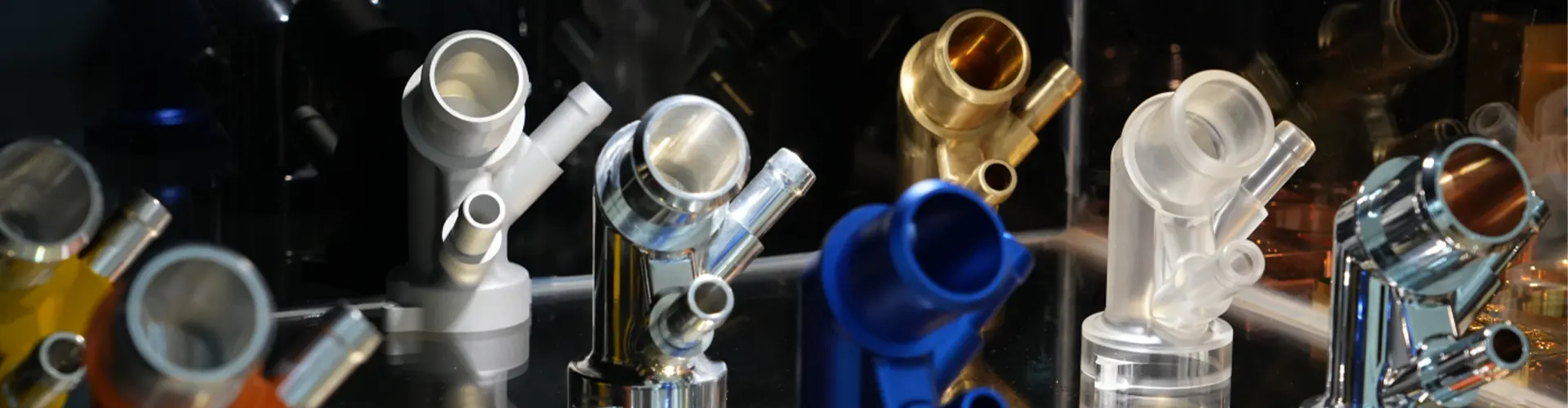
Rapid Prototyping for Design Validation
Turn early-stage designs into functional prototypes you can test, assemble, and improve—before committing to tooling or production.
-

Fast turnaround
-
Functional Materials
-
Engineering-led Feedback
- Engineering Support
Rapid Prototyping for Faster, Smarter Product Decisions
Rapid prototyping accelerates product development by converting designs into physical models for functional testing, fit verification, and design optimization. It reduces errors, shortens iterations, and helps teams make informed product decisions.
At Yijiang Technology, we leverage multi-axis CNC machines, high-resolution 3D printing, and vacuum casting, combined with an experienced technical team, to deliver precise, functional prototypes and support rapid development across multiple industries.
 Request a Quote
Why Rapid Prototyping Matters

Reduce Costly Rework
Identify design issues early—before they become expensive production problems.

Lower Development Risk
Validate function, fit, and performance with real parts, not assumptions.

Avoid Premature Tooling Investment
Make informed decisions before committing to molds or fixtures.
Prototyping by Purpose
Different project goals require different prototyping approaches.
We help you choose the right method based on what you need to verify at this stage.

Validate Form & Fit
Confirm dimensions, assembly clearance, and overall structure before committing to production.

Early-stage design checks and assembly validation.
- 3D Printing
- CNC Machining

Functional & Mechanical Testing
Test strength, tolerances, and real-world performance using production-grade materials.
Engineering validation under load, motion, or thermal conditions.
- CNC Machining
- Swiss Machining

Production-Like Appearance
Create prototypes that closely match final parts in material, surface finish, and appearance.
Customer demos, internal reviews, and pre-production approvals.
- CNC Machining
- Vacuum Casting

Pre-Production Sampling
Produce small batches to validate manufacturability before investing in tooling.
Design freeze and risk reduction before mass production.
- Low-Volume CNC
- Soft Tooling
What You Gain from Rapid Prototyping

Clear validation of form, fit, and function
Early feedback on manufacturability and tolerances
Confidence to move forward—or adjust—before production
Faster internal approvals and stakeholder alignment
Reduced risk when transitioning to low-volume or mass production

Is Rapid Prototyping Right for Your Project?
Rapid prototyping is especially valuable if you are:
Finalizing a design before production decisions
Testing functional performance under real conditions
Preparing samples for internal review or customers
Transitioning from concept to manufacturable design


Not sure where your project stands?
Our engineers can help you determine whether rapid prototyping is the right next step.
Talk to an Engineer Rapid Prototyping Capabilities at TOP

Integrated Prototyping Processes
-
CNC machining, 3D printing, vacuum casting in-house
-
Match process to validation purpose
-
No process switching or external handoffs

Engineering-Driven Design Support
-
Engineers review designs before every build
-
Function-based tolerance and structure evaluation
-
Clear DFM feedback tied to real production

Speed with Production-Ready Quality
-
Rapid builds without sacrificing accuracy
-
Production-grade materials and controlled tolerances
-
Smooth transition from prototype to production

Trusted by Customers

Rapid Prototyping in the Motorsport Sector
A hardware startup needed to confirm assembly clearance and structural alignment before committing to injection tooling. We produced CNC-machined prototypes within days, allowing the team to test fit, function, and make final design adjustments with confidence.



4.8/5
Trusted by Thousand of customers

Trustpilot
Aerospace Structural Alignment
An aerospace supplier needed prototypes of lightweight brackets for fit verification. We delivered high-precision CNC prototypes, enabling the engineering team to finalize design safely.

4.8/5
Trusted by Thousand of customers
Trustpilot
About Rapid Prototyping FAQs
-
When should I choose rapid prototyping instead of going directly to production?

-
Rapid prototyping is ideal when your design still needs validation.
If dimensions, assembly fit, material behavior, or performance under load haven’t been physically tested, prototyping helps surface issues early—before tooling or large production investments are made.
-
How fast can you deliver prototypes?
-
Typical turnaround ranges from 3–15 days, depending on complexity, material, and quantity.
-
Can you produce functional prototypes?
-
Yes, we provide CNC, 3D printing, and vacuum casting prototypes suitable for testing form, fit, and function.
-
How do you ensure prototype accuracy?
-
We use high-precision CNC machines, 3D printers, and inspection tools (CMM, profilometers) to ensure dimensional and functional accuracy.
Still Have Questions About Your Project?
Talk to an Engineer 


