


 Home »
Flexible Low-Volume Services
Fast, precise production for prototypes and small batches across industries.
-

Fast turnaround
-
Functional Materials
-
Engineering-led Feedback
What Is Low-Volume Production
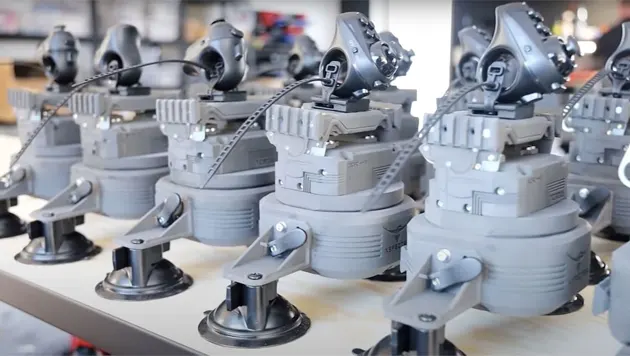
Low-volume production refers to small‑to‑medium batch manufacturing, typically from a few units to tens of thousands of pieces. It acts as a critical bridge between rapid prototyping and full mass production, allowing companies to produce real finished products without the high costs, long lead times, and large minimum order quantities required for traditional mass manufacturing.
- Faster time to market: Launch products quickly without waiting for expensive tooling.
- Lower upfront investment: Reduce mold costs, equipment investment, and inventory risks.
- Higher design flexibility: Easily optimize and adjust designs before mass production.
- Lower business risk: Verify market demand and product performance with real products.
- Smooth scale-up: Provide a stable transition path to full mass production.
Which Process is Best for Your Low-Volume Project?
To ensure smooth low-volume production, your product design should be prepared with detailed 3D drawings.
Yijiang Technology can offer production-oriented optimization suggestions to help you select the most suitable solution for your project.
100–10,000 plastic parts
Applicable Solution:
Plastic components
Hundreds of pieces per batch
Prioritize lowest unit cost
Require engineering-grade materials
For market tests, crowdfunding, or small-scale launches
Recommended Solution: Quick Tooling
1–500 precision metal or plastic parts
Applicable Solution:
Metal or high-performance engineering plastics
Production under hundreds of pieces
Strict precision, strength, durability requirements
Capable of 5-axis complex shapes
For functional testing or high-value parts
Recommended Solution: CNC Machining
Need a few prototypes quickly
Applicable Solution:
Fast turnaround (within days)
Low volume (1–50 pcs)
For appearance checks, assembly, or design iterations
Suitable for complex geometries
Non-functional prototypes
Recommended Solution: 3D Printing
Want to explore more customized low-volume production solutions? Contact us now!
Why Choose Our Low-Volume Production Services?
Solution Workflow
Materials for Low-Volume Production
Aluminum
- 6061
- 7050
- 7075
- 2024
- 5083
- 6063
Stainless Steel
- 303
- 304
- 410
- 17-4
- 2205 Duplex
- 440C
- 420
- 316
- 904L
Steel
- 4140
- 4130
- A36
- 1018
Alloy
- Brass 360
- 101 Copper
- 110 Copper
- 932 Bronze
- Zinc
Titanium
- Grade 2
- Grade 5
Thermoplastic
- ABS (Acrylonitrile Butadiene Styrene)
- PE (Polyethylene)
- PP (Polypropylene)
- PVC (Polyvinyl Chloride)
- PC (Polycarbonate)
- POM (Polyoxymethylene)
Engineering
- PEEK (Polyether Ether Ketone)
- PPS (Polyphenylene Sulfide)
- PTFE (Polytetrafluoroethylene)
Low-Volume Production Technologies
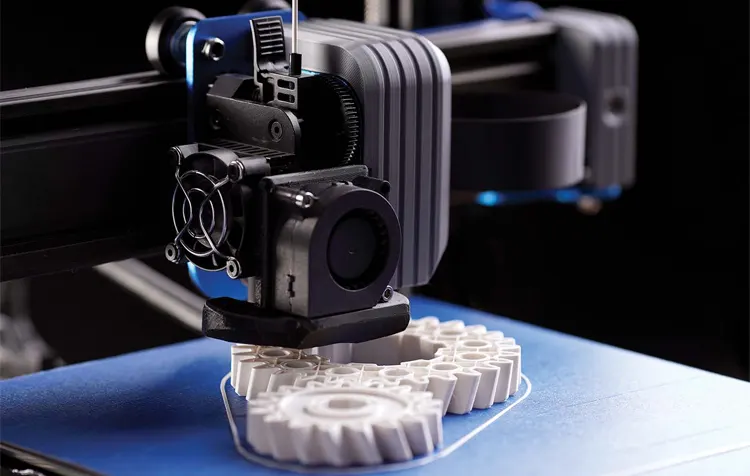
3D Printing
3D printing is widely used for plastic parts production, while metal 3D printing is also available but more costly. Common technologies include Selective Laser Sintering (SLS), Stereolithography (SLA), and Fused Deposition Modeling (FDM).
- Design: Use CAD to design models, or generate models via 3D scanning, MRI, or intraoral scanning.
- Print Setup: Position the model within the printer build volume, add supports if needed, and slice into layers.
- Printing: Select suitable materials and technology to print the parts.
- Post-Processing: Clean, post-cure, remove supports, and optionally paint or coat.
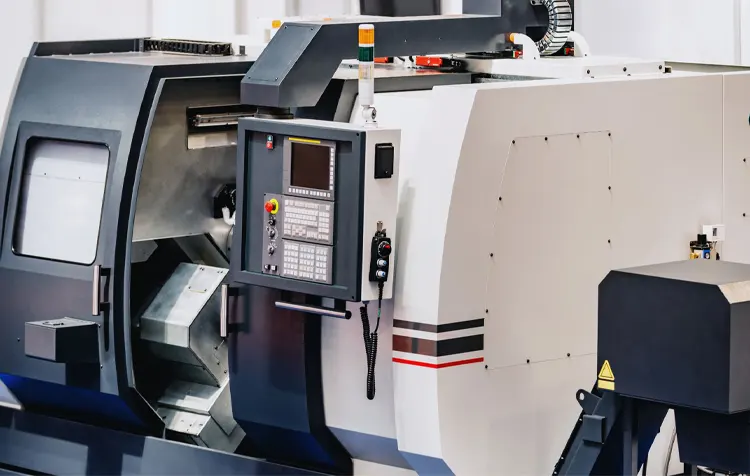
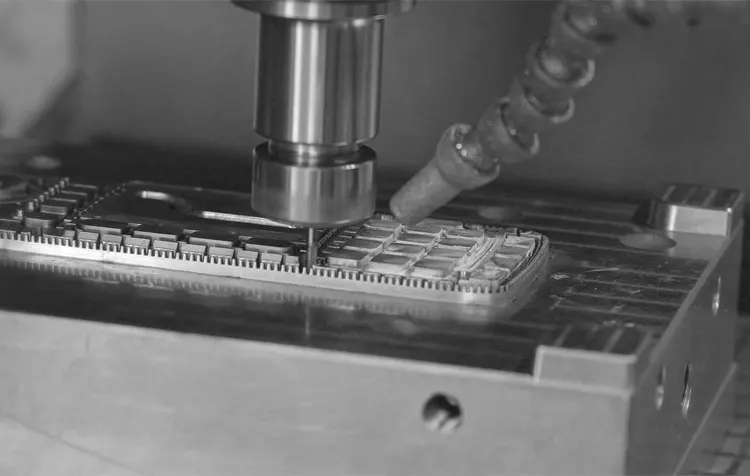
CNC Machining
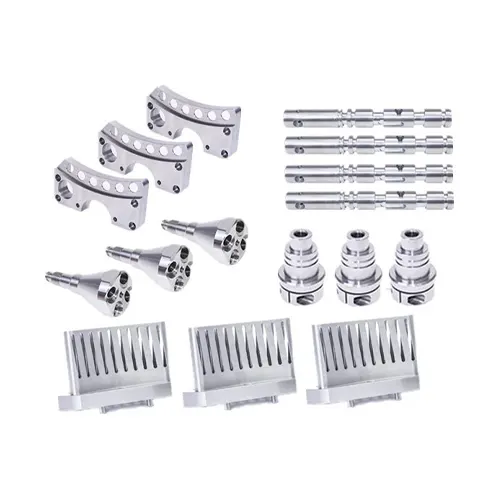
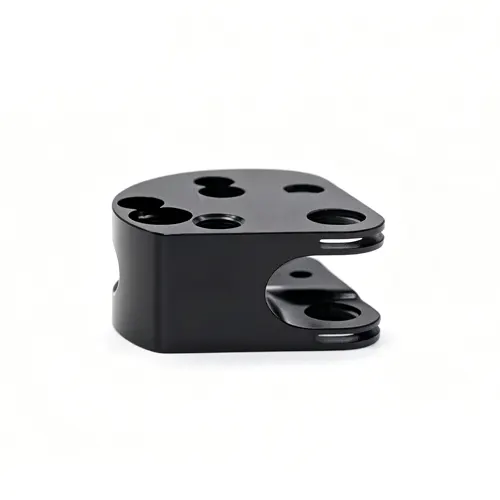
CNC machining removes material from solid blocks, rods, or bars of plastic, metal, or other materials to create parts. Complex geometries increase costs, and internal channels or undercuts may be difficult to achieve with traditional subtractive methods.
- Design: Generate part models using CAD software.
- Job Setup: Generate toolpaths (CAD → CAM) to control cutting direction, speed, and tool changes.
- Machining: CNC machines perform cutting; reposition workpieces as needed for complex areas.
- Post-Processing: Clean, deburr, trim, and optionally apply fine finishing.
Rapid Tooling
Rapid tooling uses cost-effective, efficient methods to produce molds for injection molding, thermoforming, or casting, enabling small-batch or short-run part production. It supports plastic, silicone, rubber, composites, and metal parts.
- Design: Design molds or master tools using CAD software.
- Mold Fabrication: Fabricate molds using 3D printing or CNC tooling.
- Production: Apply molds to the production process for rapid low-volume part manufacturing.
- Post-Processing: Perform necessary surface finishing and post-processing for final part quality.
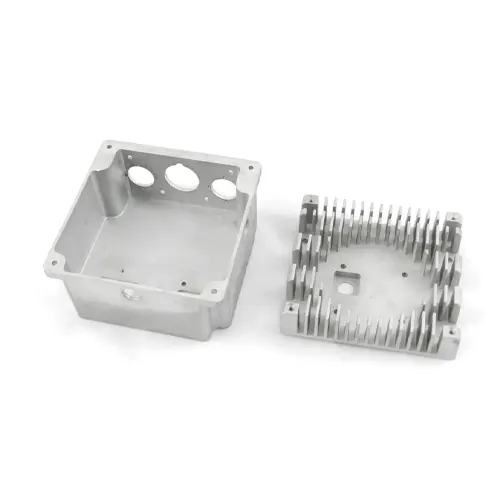
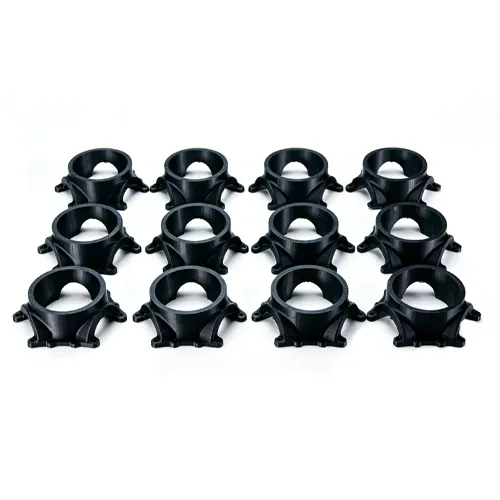
More Case Studies
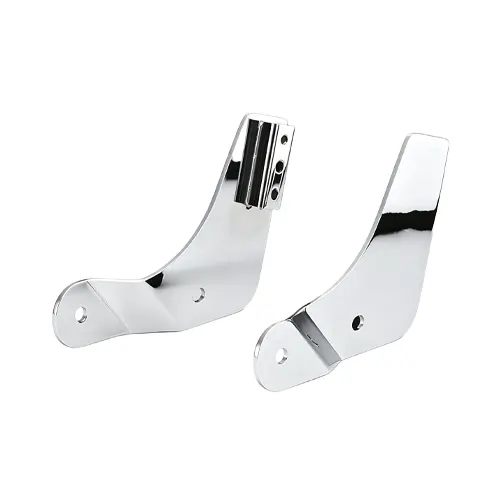
Surface Finishing Options

Passivation
Prevent rust and corrosion on stainless steel

Polishing
Smooth and level the surface, enhancing appearance and corrosion resistance.

Anodizing
Surface treatment for aluminum, increases hardness and corrosion resistance, can be colored.

Electroplating
Nickel, zinc, gold plating, etc., improves wear resistance and aesthetics.

Powder Coating
Provides durable, corrosion-resistant, and colored protection.

Sandblasting
Creates uniform matte or textured surfaces, enhancing coating adhesion.

Brushing
Creates fine textured lines for aesthetic surfaces.

Laser Marking
Used for logos, markings, and traceability.
About Low-Volume Production FAQs
-
What is considered low-volume production?

-
Low-volume production typically ranges from 1 to 10,000 parts, depending on the material, complexity, and manufacturing method.
-
Which manufacturing method is best for small batches?
-
It depends on your part requirements: 3D printing for prototypes, CNC machining for high-precision parts, and rapid tooling for small-batch injection molding.
-
Can I use engineering-grade materials in low-volume production?
-
Yes, we support metals, engineering plastics, and composites suitable for functional testing and final-use components.
-
How fast can I receive parts from low-volume production?
-
Turnaround times vary by method: 3D printing can be done in days, CNC machining in 1–2 weeks, and rapid tooling production typically within 3 weeks.
Still Have Questions About Your Project?
 Talk to an Engineer
 Start Your Project Inquiry
Your information is kept confidential and reviewed directly by our engineering team. We typically respond within 1 business day with practical technical feedback.


