Large-Tonnage Injection Molding: Automotive Manufacturing Challenges & Solutions

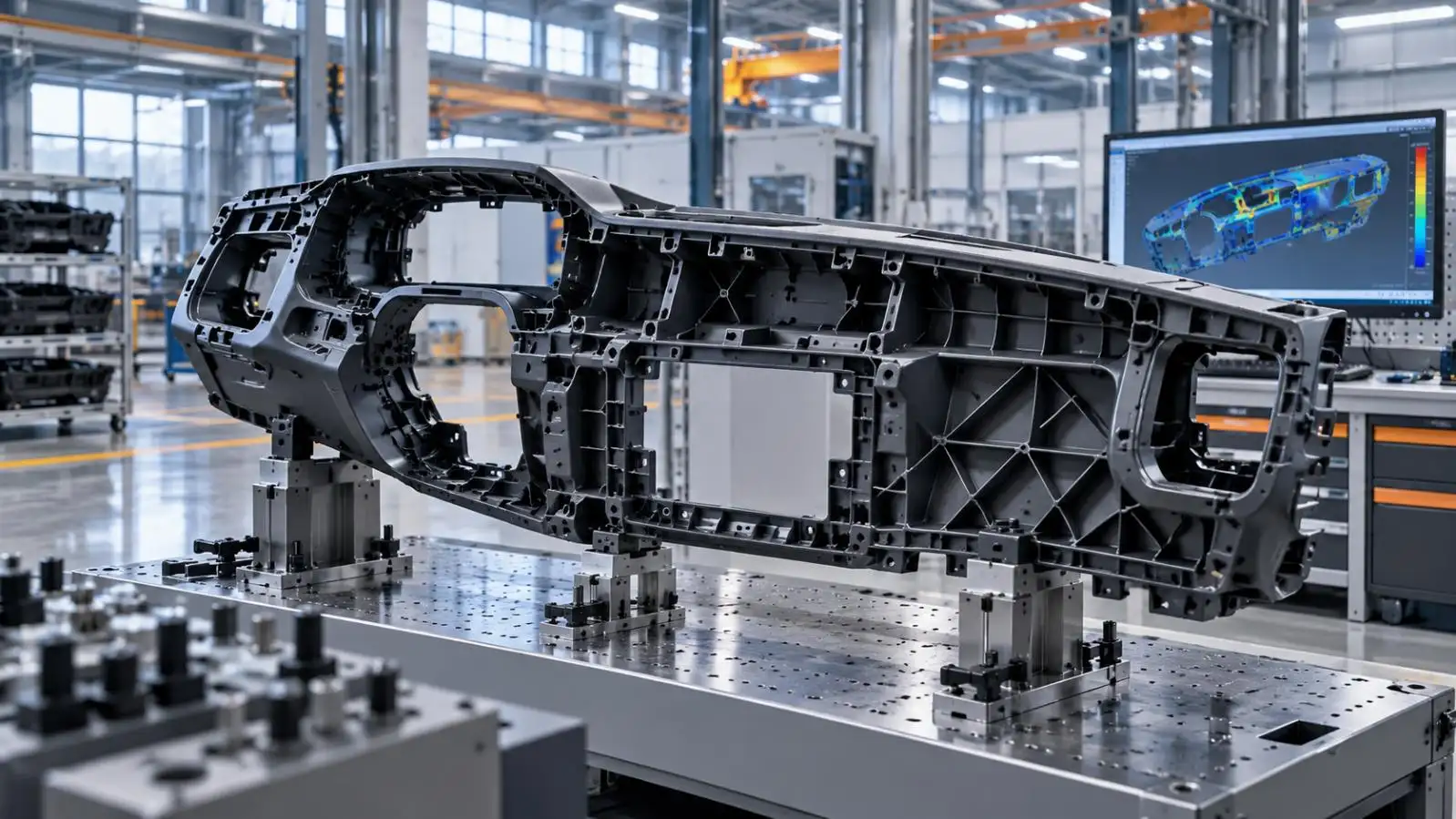
Table of Contents

- How Large-Tonnage Injection Molding Allows Next-Generation Automotive Manufacturing
- What Is Large-Tonnage Injection Molding Unique?
- Major Limitations in Automotive Large-Tonnage Injection Molding
- Large Tonnage Injection Molding For Electric Vehicle (EV) Manufacturing
- Engineering Successful Large-Tonnage Injection Molding
- Yijiang Large-Tonnage Injection Molding Capability
- Future Large-Tonnage Injection Molding in Automotive


How Large-Tonnage Injection Molding Allows Next-Generation Automotive Manufacturing
The revolution occurring in the automotive industry is due to several factors including the introduction of electric vehicles (EVs), focused efforts on lightweight design, and advanced manufacturing techniques that thereby integrate components at a systems level. Complex vehicle platforms call for advanced solutions that manufacture larger plastic components with superior consistency and often lower assembly.
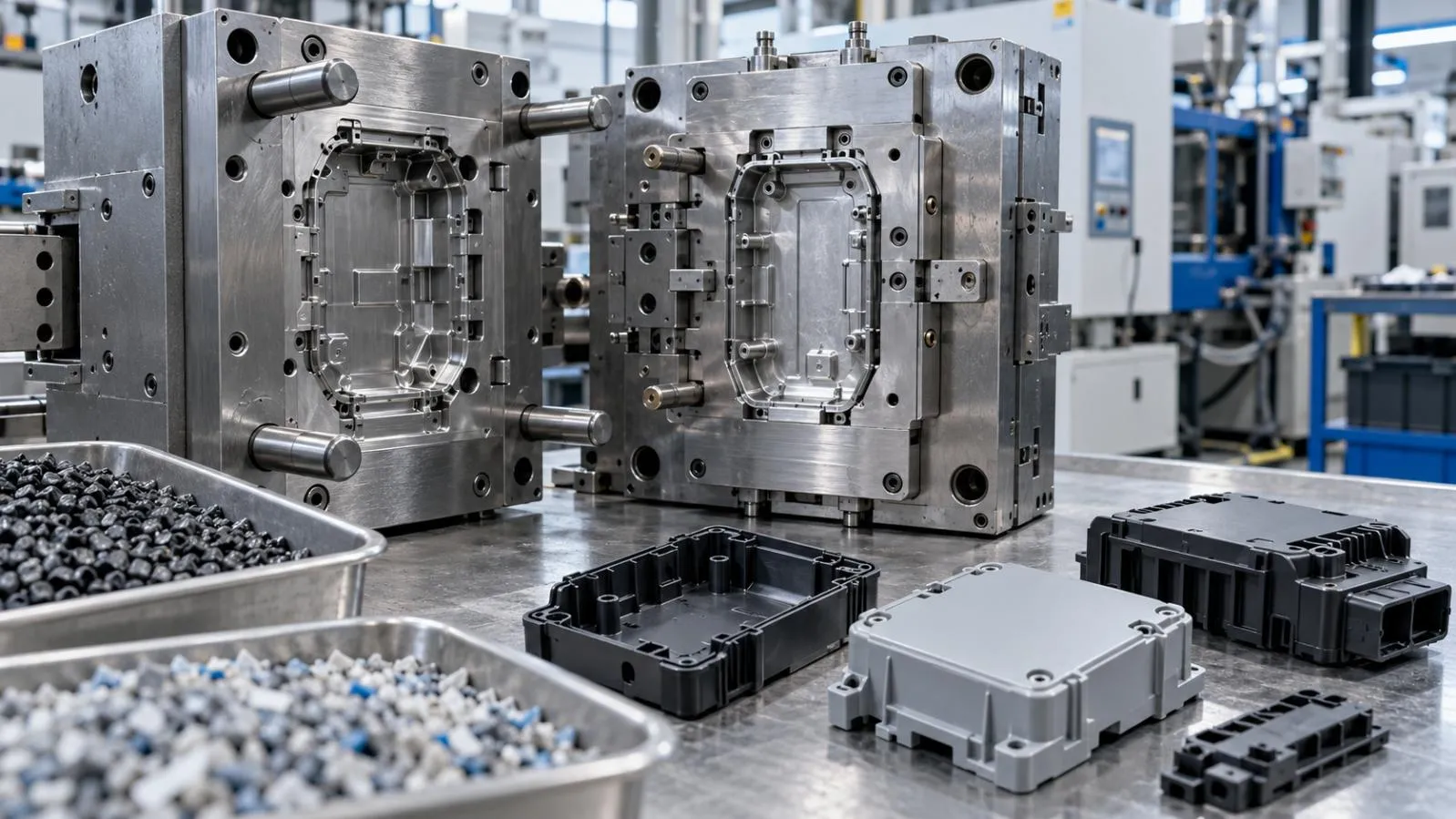
Large-Tonnage Injection Molding (LTIM) is the preferred method for manufacturing larger components from plastic for automotive applications such as bumpers, instrument panels, door panels, battery covers, and structural chassis parts.
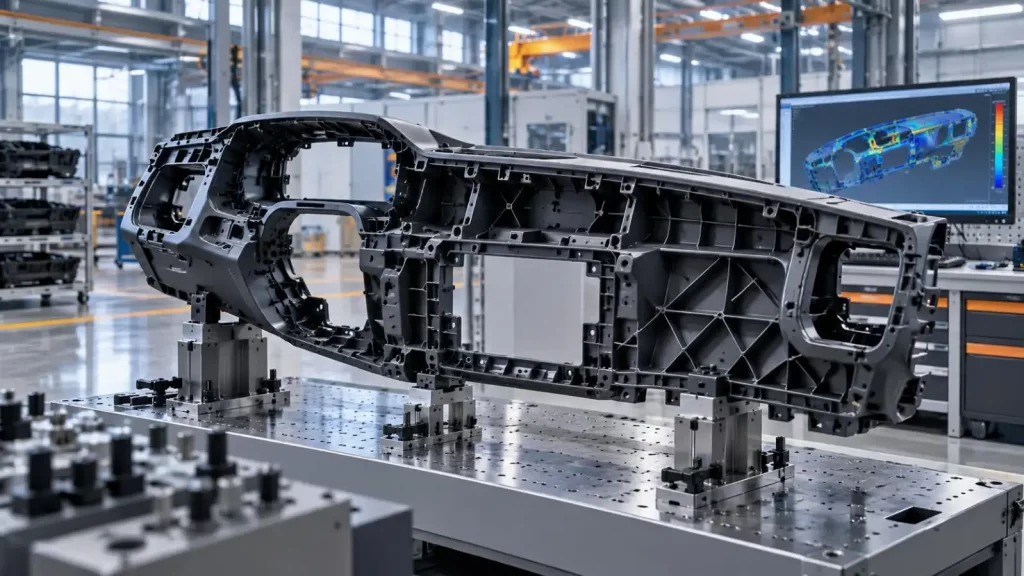
Manufacturing large automotive components is more complex than using larger molding machines to make small automotive parts. It requires:
• High-tonnage machinery
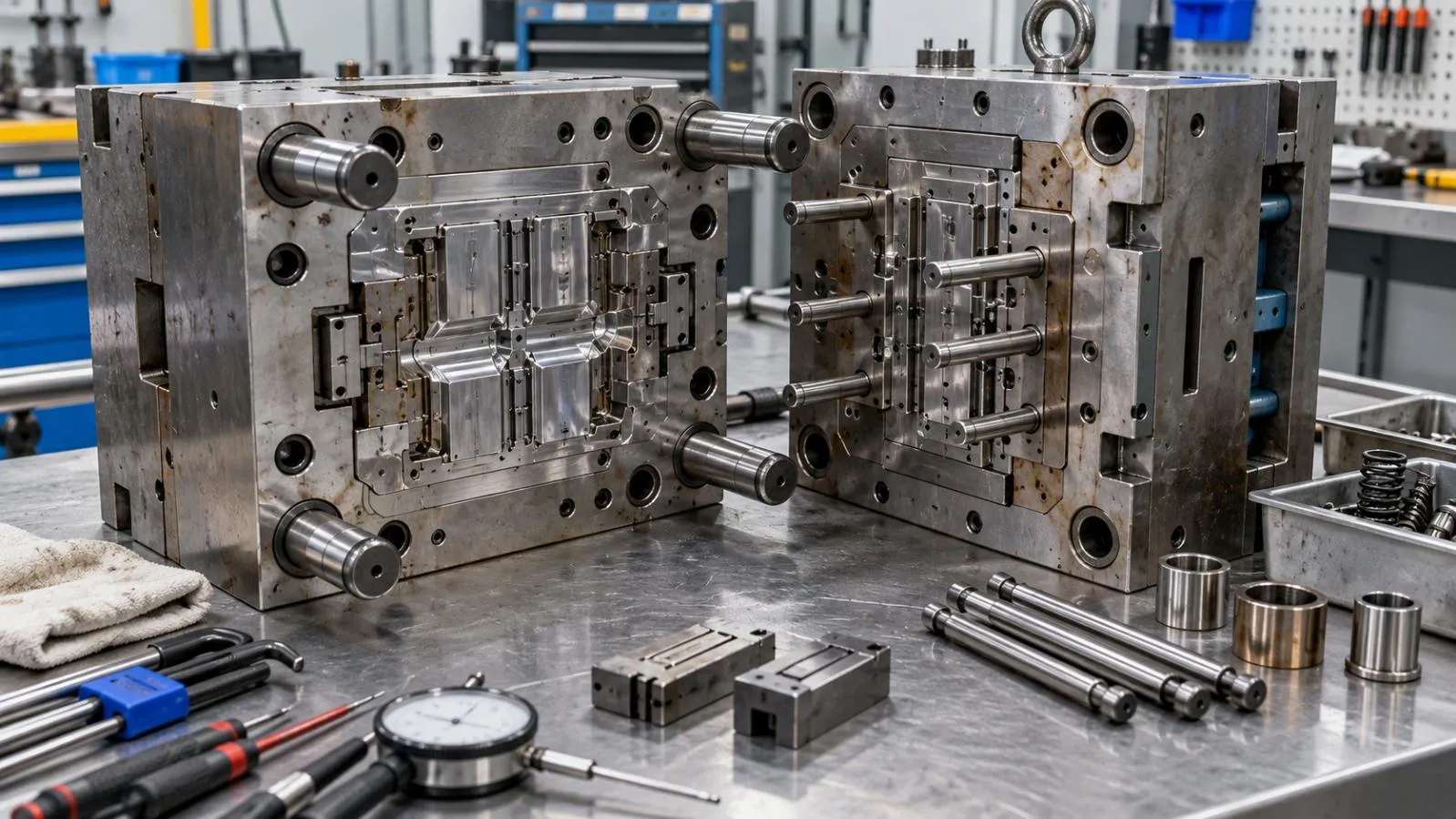
• Advanced mold technology
• An understanding of material behavior
• Control of the processing scheme
• Effective quality control
Customers in the automotive industry value quick, low cost mass production of components that encompass precise dimensions, surface quality, and strength.
What Is Large-Tonnage Injection Molding Unique?
Large-Tonnage Injection Molding is a more advanced process than standard injection molding. It allows the manufacture of large and complex-shaped parts made of plastic using a molding machine with an extra-high clamping force. The quantity of required tonnage is dependent on the projected surface area, the viscosity of the material, the part's geometry and the injection pressure.
Large automotive parts often have:
• Large molds
• Longer flow paths
• Slower cooling
• More susceptible to deformation
When compared to standard injection molding, Large-Tonnage Injection Molding requires a more integrated engineering approach.
| Evaluation Factor | Standard Injection Molding | Large-Tonnage Injection Molding |
| Component Size | Small and medium parts | Large structural and exterior parts |
| Mold Requirement | Conventional tooling | Large-scale precision molds |
| Process Difficulty | Mainly detail control | Filling balance, cooling, deformation control |
| Common Applications | Covers, connectors, small housings | Automotive bumpers, panels, EV components |
| Main Engineering Focus | Part appearance and function | Structural stability and dimensional accuracy |
Major Limitations in Automotive Large-Tonnage Injection Molding
1. Large Plastic Parts and Dimensional Precision
The tolerance of dimensional variation in large automotive components can be very small. As the size of a part increases, small differences in the cooling temperature of the part can lead to large and difficult to assemble components.
In large parts, issues arise from:
• Distortion caused by uneven shrinkage
• Cooling related warpage
• Assembly line misalignment
• Inconsistent gap and flush requirements
Professional Large-Tonnage Injection Molding projects have the following strategies:
• Mold flow analysis with tooling
• Optimized gate and runner layout
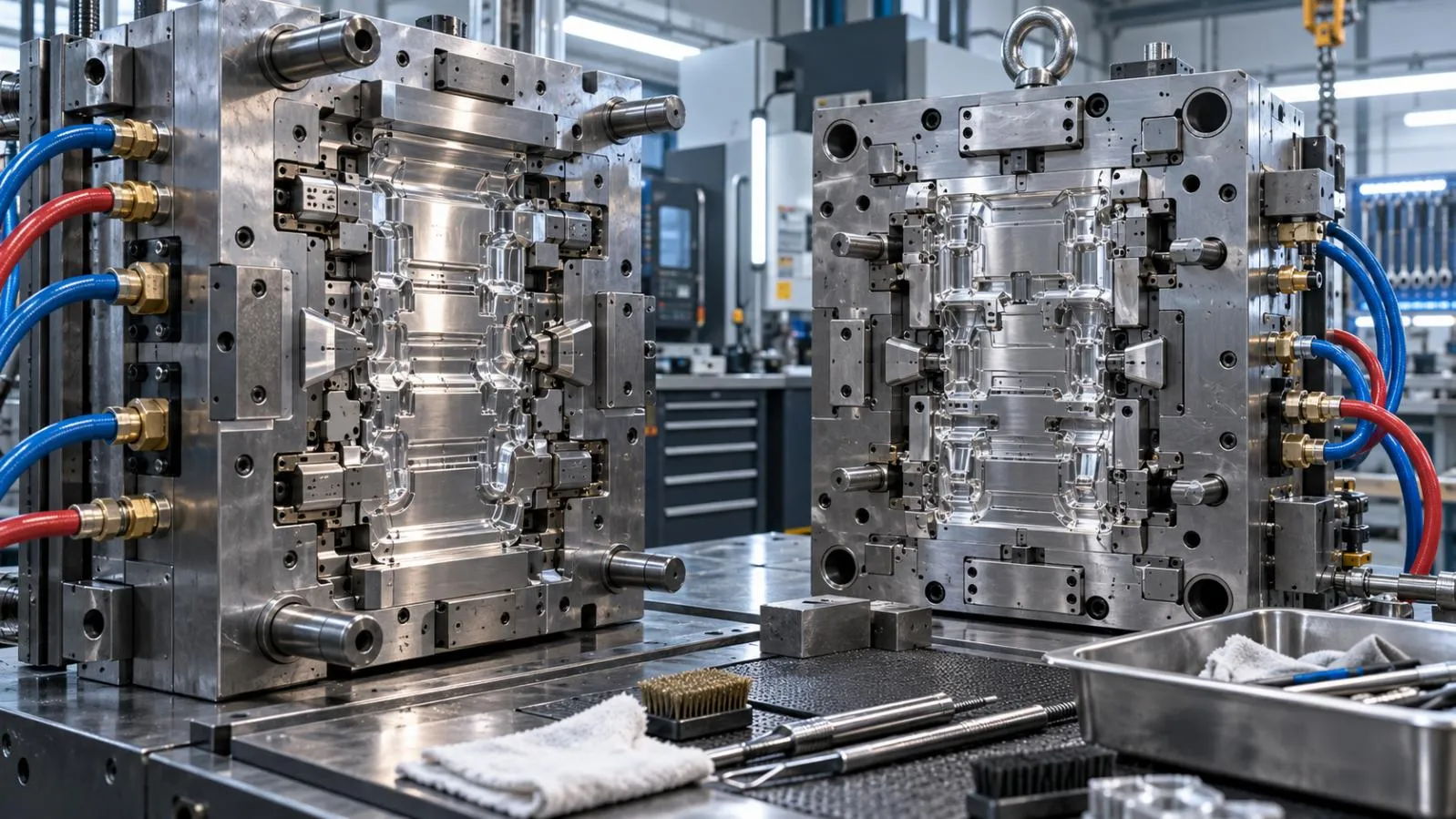
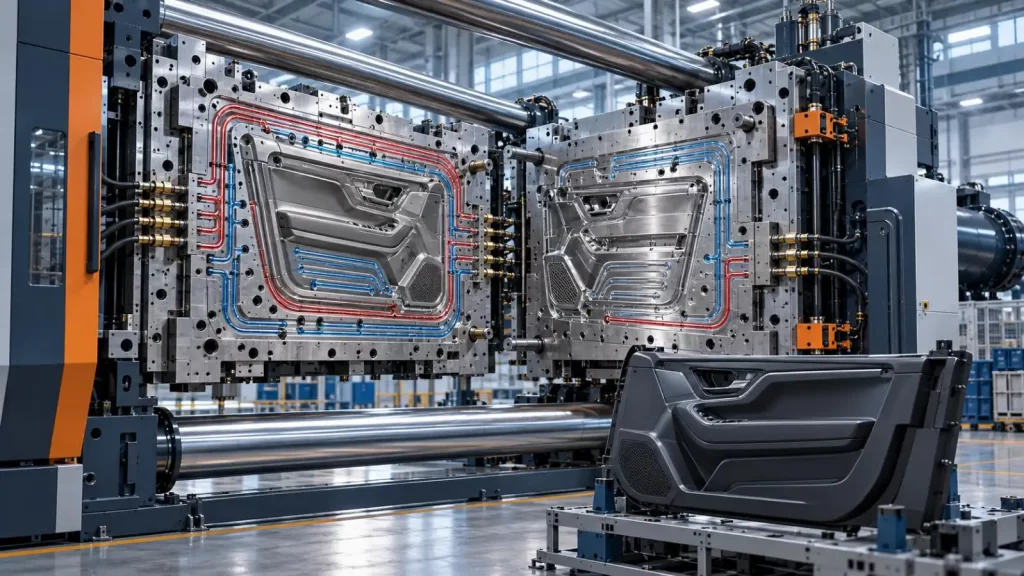
• Precisely balanced cooling channels
• Optimized holding time
Prior to production of large scale injection molded compounds, Yijiang Engineering provides project reviews to optimize part design, choice of material and better assess the feasibility of manufacturing.
2. Warpage, Cooling and Material Flow
In large automotive components, the cooling system directly dictates the final quality of the part. Inadequate and uneven cooling can cause internal stress and warpage leading to surface defects.
| Defect | Cause | Remedy |
| Warpage | Uneven cooling | Optimized cooling and balance analysis of the mold |
| Sink Marks | Wall thickness variation | Restructuring and thin wall design |
| Short Shot | Insufficient melt flow | Optimized gate and filling simulation |
| Flash | Excessive pressure or mold | Process adjustment and precision mold control |
Large-Tonnage Injection Molding requires the understanding and integration of the following:
Material + Mold Structure + Machine Capability + Process Parameters
A high tonnage machine is insufficient and more engineering control is required.
3. Balancing Lightweight Design and Mechanical Performance
All automotive original equipment manufacturers (OEMs) prioritize the use of engineered plastics over traditional metal components when developing lightweight vehicles. However, the focus on weight reduction does not diminish the need for automobiles to maintain their strength, impact resistance, heat resistance, and long-term dependability.
Automotive Large-Tonnage Injection Molding typically uses plastics such as:
| Material | Advantages | Typical Applications |
| PP | Cost-effective and lightweight | Bumpers, interior panels |
| ABS | Impact-resistant and appearance | Interior components |
| PC/ABS | Heat resistant and high strength | Instrument panels, housings |
| PA + GF | High mechanical performance | Structural components |
Through optimal design and tooling of molds, manufacturers can develop larger integrated components, at the same time simplifying assemblies.
Large Tonnage Injection Molding For Electric Vehicle (EV) Manufacturing
The development of EVs has propelled demand for large molded components. Typical EV applications include:
• Battery protection structures
• Battery tray covers
• Charging system housings
• Lightweight internal modules
• Large, highly aerodynamic components
When compared to traditional designs, Large Tonnage Injection Molding enables manufacturers to:
• Shorten the production process
• Reduce component weight
• Design larger single piece components
• Improve production efficiency
Engineering Successful Large-Tonnage Injection Molding
From Concept to Large-Scale Production
The successful implementation of Large-Tonnage Injection MoldingOE specification, mass production processes typically incorporates:
1. Design for Manufacturing (DFM) Analysis
Prior to tooling, several considerations surrounding the proposed product design are analyzed. These include:
• Geometric validation of the product design
• Distribution of wall thickness
• Drafts
• Suggested material
The possibility for design-induced distortion
Conducting a DFM analysis is recommended to avoid unwanted and costly modifications to the tooling.
2. Precision Mold Development
Large automotive molds require the following:
• High-strength mold structures
• Optimized cooling channels
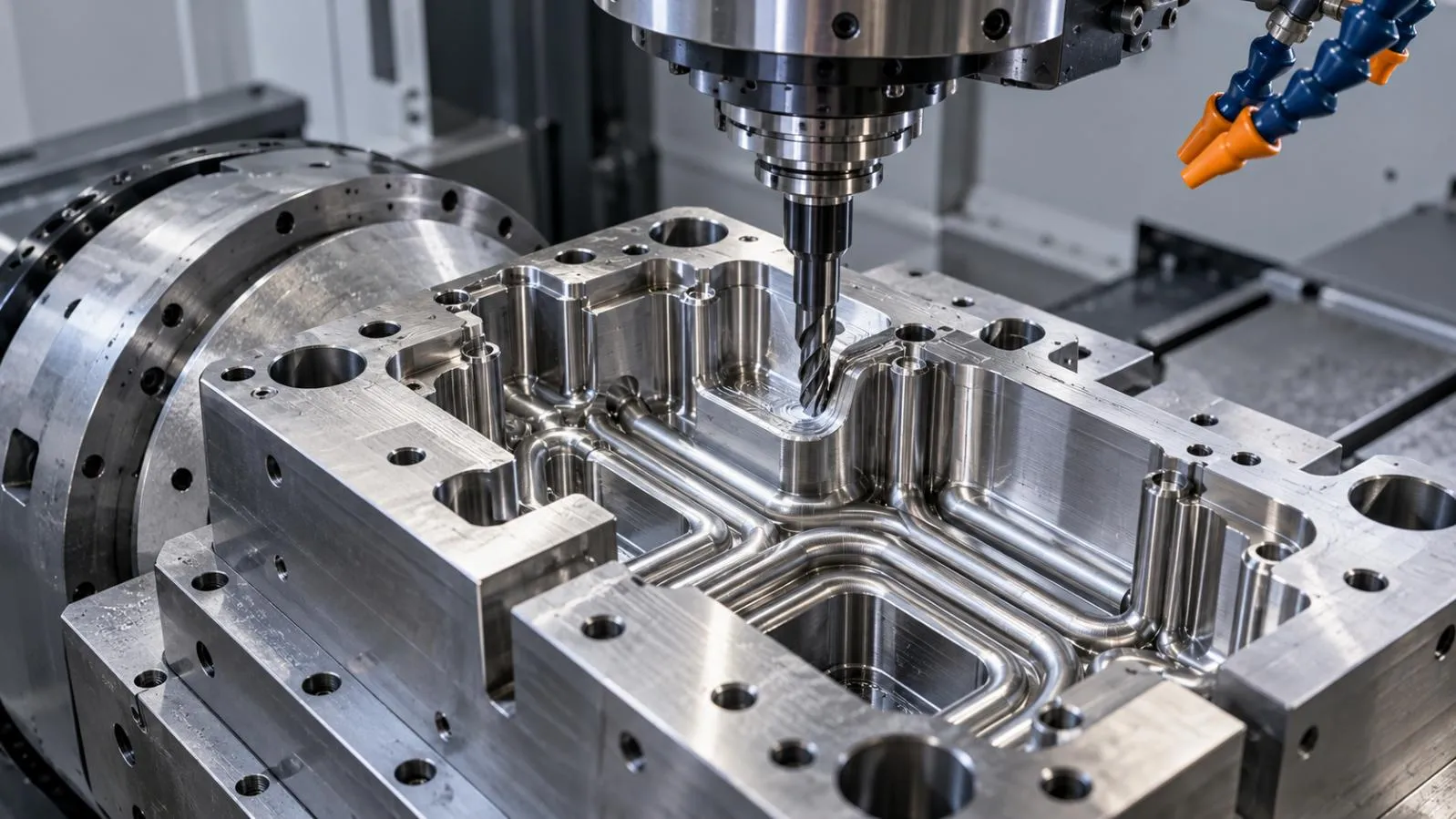
• Accurate cavity machining
• Stable repeated production performance
Yijiang integrates mold development capability with precision machining support (CNC machining and multi-axis machining). Yijiang's manufacturing system provides support for large-scale injection molding from tooling development to mass production.
3. Controlled Injection Production
Key parameters for production are as follows:
• Injection speed
• Melt temperature
• Holding pressure
• Cooling time
• Mold temperature
Yijiang manufactures both small and large components using molding machines ranging from 50T to 2500T.
Yijiang Large-Tonnage Injection Molding Capability
For all large-tonnage injection molding applications, capacity is not the only factor to consider. Engineering, quality control, and process stability are also significant factors.
Yijiang offers advantageous integrated large-scale injection molding solutions with the following advantages:
Large-Scale Manufacturing Capability
• 50T–2500T injection molding equipment range
• Support for automotive, industrial, and new energy applications
• Large plastic component production capability
• Integrated mold design and manufacturing support
Precision Manufacturing and Quality Control
Yijiang has a range of precision manufacturing and quality control processes including:
• CNC machining accuracy up to 0.01 mm
• CMM and advanced measurement equipment for verification of dimensions
• Engineering process optimization
• Quality management systems including ISO 9001 and IATF 16949 for the automotive industry
Engineering Support Throughout Development
Yijiang supports customers with the following services:
• Product design review
• Recommendation of suitable materials
• Evaluation of mold feasibility
• Prototype checking
• Optimization of large-scale production
This has significantly reduced the risks associated with large-scale injection molding.
Future Large-Tonnage Injection Molding in Automotive
In the future, the Large-Tonnage Injection Molding required for the automotive industry will continue to:
• Increase the size of integrated plastic structures
• Include lightweight EV components
• Include intelligent production with systems for control and monitoring
• Increase precision
• Maintain low assembly complexity
With integrated automotive designs, large-tonnage injection molding will continue to be an important process for the production of lightweight, reliable and efficient components.
Conclusion
Large-Tonnage Injection Molding uses a specialized process for making large plastic parts. However, it deals with much larger aspects of the entire manufacturing process, including the equipment, engineering of molds, materials, and the process itself.
If an automotive company develops a large plastic component, selecting a company for the injection molding with size-related experience will likely enhance the reliability of the final product and the efficiency of the manufacturing process.
For the extra-large injection molding, precision manufacturing, and support of automotive engineering, Yijiang continues to help customers develop complex automotive and industrial plastic components.
FAQs
Q1. What is Large-Tonnage Injection Molding used for at Yijiang?
Yijiang's Large-Tonnage Injection Molding solutions are used to make large and complicated plastic components for automotive, new energy, and other industries. Examples of such components may include large housings, covers, panels, and other large plastic components.
Q2. What injection molding machine sizes does Yijiang support?
Yijiang supports large and extra-large injection molding with machines ranging from 50T to 2500T for the production of precision plastic parts and large, structural components.
Q3. What automotive parts can be manufactured using Yijiang Large-Tonnage Injection Molding?
Examples of plastic components for automotive that may be produced by Yijiang include:
• Interior panels
• Large covers
• Structural plastic components
• EV plastic housings
• Covers for battery system
• Complex automotive assemblies
Q4. How does Yijiang control quality in Large-Tonnage Injection Molding?
Yijiang ensures quality by integrating various processes, which may include:
• Verification of mold design
• Optimization of process parameters
• Dimensional inspection
• Measurement by a CMM
• Monitoring of process
This may ensure stable quality for large plastic components.
Q5. Can Yijiang provide mold design and injection molding together?
Yes, Yijiang may integrate mold design and injection molding processes for component manufacturing, which may reduce risk for part manufacturability.
- PREV: Null
- NEXT: Null

Yijiang is a professional custom manufacturing partner specializing in large-scale injection molding and precision mold development. We support global clients in automotive,
in large-scale injection molding and precision mold development. We support global clients in automotive,


Get a quote from the China’s #1 CNC Machining Services.
Ready to get started? Connect with us today!
 Talk to Our Team