Home » Large Housing Injection Molding for Energy Storage Systems: Material and Safety Considerations
Large Housing Injection Molding for Energy Storage Systems: Material and Safety Considerations

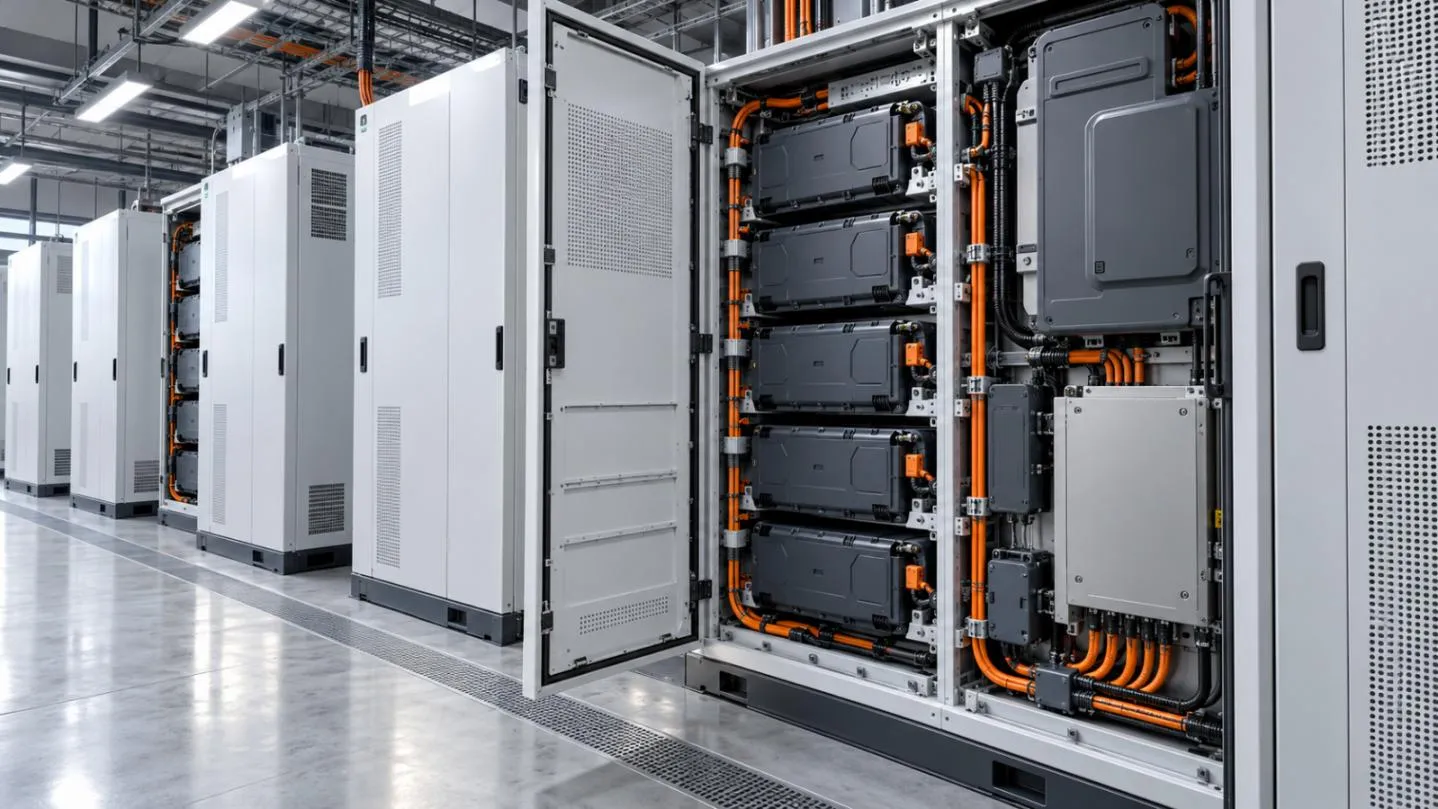
Table of Contents


A molded battery equipment cover can meet its dimensional drawing at first inspection and still fail an ingress protection test after thermal cycling. The sealing flange may bow, fastener preload may relax, or a reinforced polymer may shrink differently along and across the melt-flow direction. Any of these changes can leave a gap that the gasket was never designed to accommodate.
For Large Housing Injection Molding, the engineering question is not simply whether a resin offers adequate flame resistance. Material behavior, enclosure geometry, cooling-induced stress, and assembly conditions must remain compatible throughout the equipment's service life.
1. Where are Injection-molded Plastics Used in Energy Storage Systems?
Is an equipment cover an enclosure for battery electronics? If not, then a thermal validation study for the enclosure would not be required.
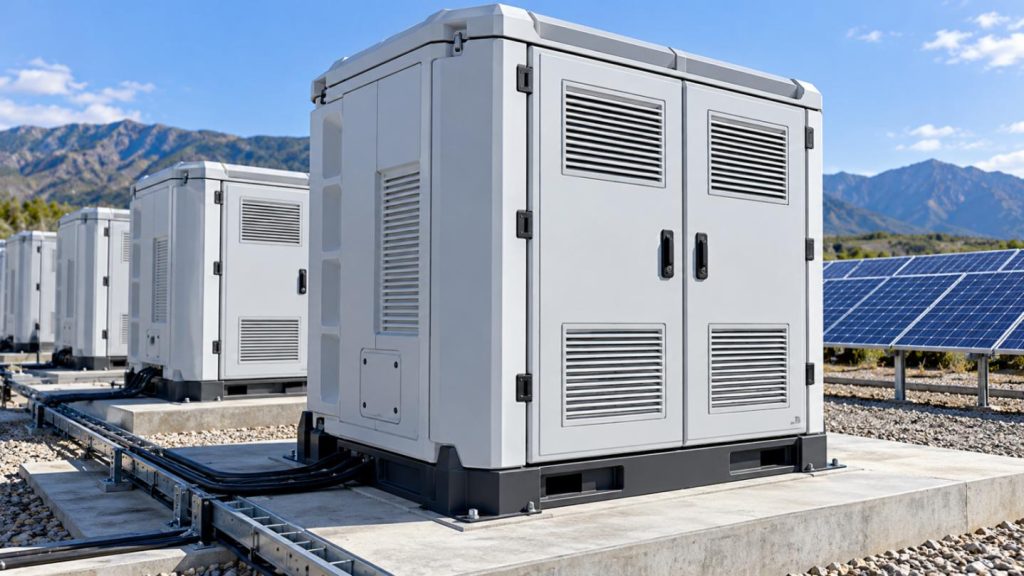
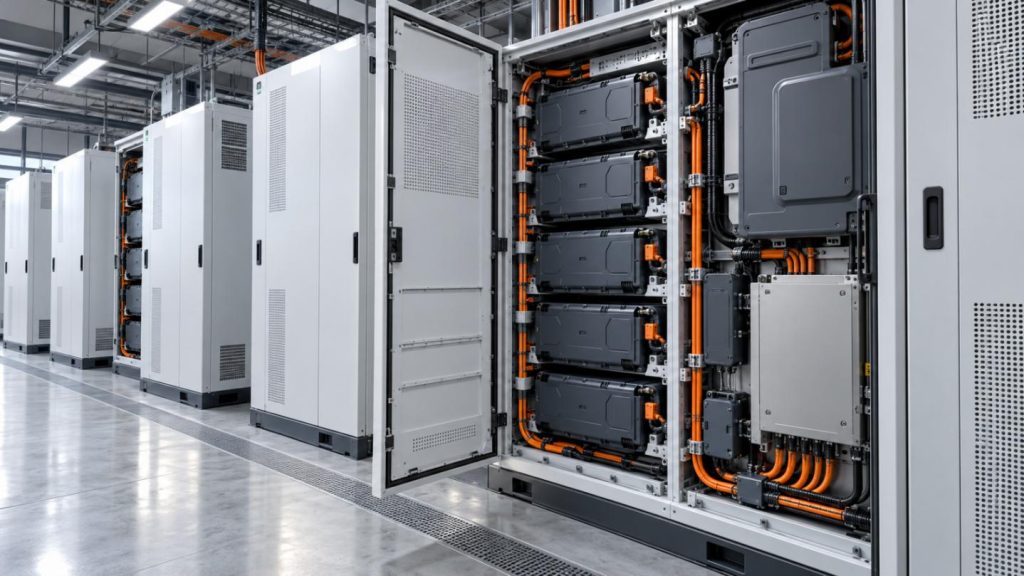
Any enclosure can be injection-molded. Auxiliary electrical compartments and battery management systems (BMS) and power conversion equipment (PCE) can be mounted to energy storage systems using injection molded housings. Injection molded panels can have mounting bosses and cabling routed through the panel. Thin walls can be used to create an energy storage system housing.
Injection molded panels can not be used for structural battery enclosures. Injection molded housings can not be used for:
•Physical support for large battery modules.
•Containment of hot gases and combustion products.
•Temperature and fire barriers between power electronics and the enclosure.
•Structural battery enclosures can not be made of plastic.
Before material selection, engineers should define whether the housing provides environmental protection, electrical isolation, structural support, or a fire-safety function. These are different design problems, even when the external geometry looks similar.
2. How Should Materials Be Selected for Large ESS Housings?
Material selection should begin with the actual service environment: maximum continuous temperature, short-term thermal exposure, humidity, outdoor aging, chemical contact, and mechanical loads.
| Material | Engineering Advantages | Limitations Requiring Verification |
| Flame-retardant PC/ABS | Impact resistance, moldability, and good surface appearance | Grade-specific heat resistance, flame rating, and long-term dimensional stability |
| Flame-retardant PC/ASA or weatherable PC blends | Potentially better outdoor weatherability with suitable formulations | UV durability, flame performance, thermal aging, and processing behavior |
| Glass-fiber-reinforced PBT | Higher stiffness, electrical insulation properties, and relatively low moisture absorption | Directional shrinkage, weld-line strength, and warpage around large openings |
For large panels, resin stiffness alone is a poor predictor of dimensional accuracy.
Glass fibers align with the direction of melt flow. As the material cools and sets, the fibers maintain their alignment and orientation. As a result, the degree of shrinkage is not isotropic, leading to warpage. For materials with low overall shrinkage, flange mounts can even twist.
Fiber-related distortions can occur even in unreinforced materials. Deflection control in these materials often requires the addition of positive ribs.
The most appropriate design choice depends on the combination of factors including the level of permitted deformation, the loads in the fasteners, the thickness of the parts, and the dynamics of the molding process.
What Does a Flame-Retardant Rating Establish?
In the case of UL 94 V-0, the evaluation is based on the laboratory test conditions, and does not denote thermal runaway nor the sealing of an energy storage system.
It is important to understand the differences between:
•UL 94: Classification of materials based on their flammability at specific thicknesses.
•UL 746C: Assessment of polymeric materials used in electrical equipment, including levels of protective d remain closure.
•IEC 60529: Degree of protection against ingress of elements to an electrical/electronic assembly.
•UL 9540: Safety standards for Energy Storage Systems and Equipment.
•UL 9540A: A standard to evaluate thermal runaway and fire propagation in an Energy Storage System.
Large exposed polymers may be required to meet additional flamability test requirements.
Suppliers should provide information on flame classification, as well as thermal and electrical properties, and the effect of aging, if applicable. The edition of the standard, the requirements, and the intended market of the product should be determined.
3. Why do Sealing and Thermal Requirements Conflict?
Outdoor ESS enclosures can experience significant temperature changes and moisture build up. Designs must balance these requirements with sealing cable penetrations.
Compression and Distortion of Flanges
Thermal stresses, as well as differences in the coefficient of thermal expansion of dissimilar materials, can affect flange and gasket compression.
Changes in the thickness of a gasket will not reduce the possibility of flange deformation. Designers should set limits on the permissible flange compression prior to product release.
Changes in Spring Clamping Force
Gaskets between components can be compromised over time if the clamping force is reduced due to creep in the plastic material.
There is a conflict between the requirements of sealing and thermal management. This is best demonstrated in the handling of gaskets by designers. Designers should set limits on the compression of fasteners used to seal gaskets to provide stable clamping force. The limitation should be set prior to product release.
Compression limiters, suitable inserts, and reinforced load paths can reduce this risk, although metal inserts introduce additional thermal expansion and stress considerations.
Heat Transfer and Pressure Relief
Most engineering thermoplastics conduct heat far less effectively than aluminum. Heat-generating components generally require dedicated heat-transfer paths rather than relying on the molded cover.
Normal cooling airflow and emergency gas venting must also be evaluated separately. A sealed protective housing must not obstruct the battery system's required pressure-relief or gas-management provisions.
4. What Makes Large Housing Injection Molding Difficult to Control?
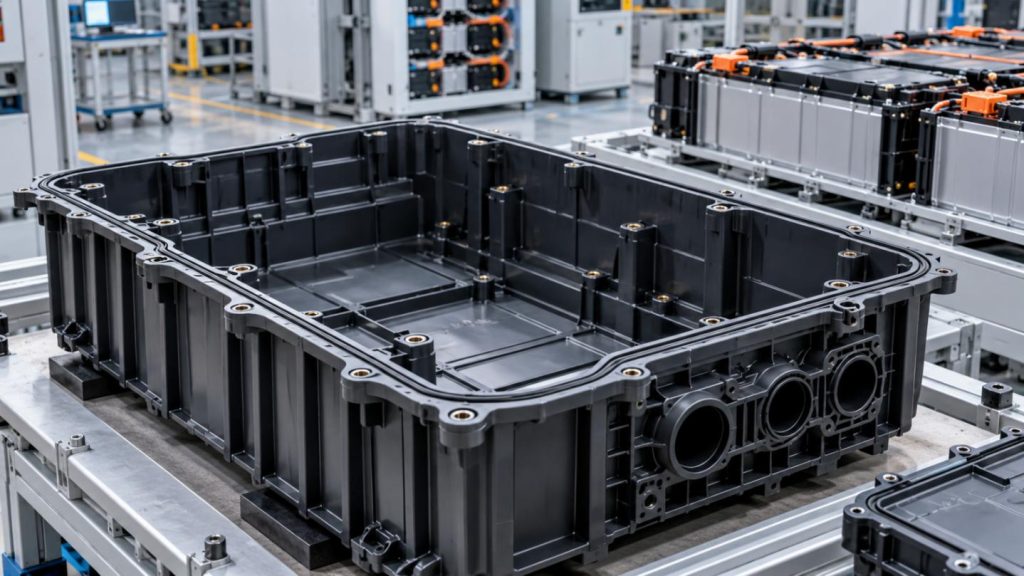
As a housing becomes larger, the relationship between flow length, wall thickness, gate position, and cooling uniformity becomes increasingly sensitive.
Long Flow Paths and Weld-Line Strength
Melt temperature and pressure decrease as polymer advances through a cavity. Premature freezing can cause short shots, while excessive pressure or poorly balanced filling can produce flash and residual stress.
Weld lines develop where melt fronts meet, commonly around openings and internal features.
A weld line across an unloaded cosmetic surface may be acceptable. The same feature intersecting a mounting boss or highly stressed flange may require redesign or mechanical testing.
Gate placement should therefore be evaluated against both filling behavior and structural load paths.
Warpage Caused by Cooling
Large panels can warp as they cool. Portions of walls adjacent to ribs and bosses can be hotter than the wall section, causing sink marks.
Tapering of wall thickness toward the outside and the limitation of rib intersections will help to alleviate cooling imbalances.urfaces. With reinforced polymers, simulation should take into account fiber alignment.
•Mold-flow analysis should be used in combination with validated samples to approve tooling.
•There are many factors including mold size that impact machine selection including clamping force and shot capacity.
What Should be Verified Prior to Production?
The qualification of the housing should include conditioning the housing to represent end use.
Samples must be tested to evaluate the grade of the resin, flammability, and to provide data on the thermal and electrical characteristics of the resin. Sealing and fastening surfaces of housings must be measured. Representative samples must be functionally evaluated to assess the integrity of bosses and gaskets. Tests must be conducted to evaluate the level of protection housings provide from environmental elements, such as the ingress of water and gas.
Prior to assembly, dimension checks must be performed to confirm limitations in size do not affect the fitting of a given part during assembly.
Shifts in the chemical composition of the resin have a strong effect on the characteristics of the resin. Shrinkage and mechanical properties, as well as the flammability and combustion behavior, are strongly influenced by the chemical composition of the resin and other processing aids, e.g. the type and quantity of recycled resin.
Evaluating Manufacturing Feasibility with Yijiang Technology
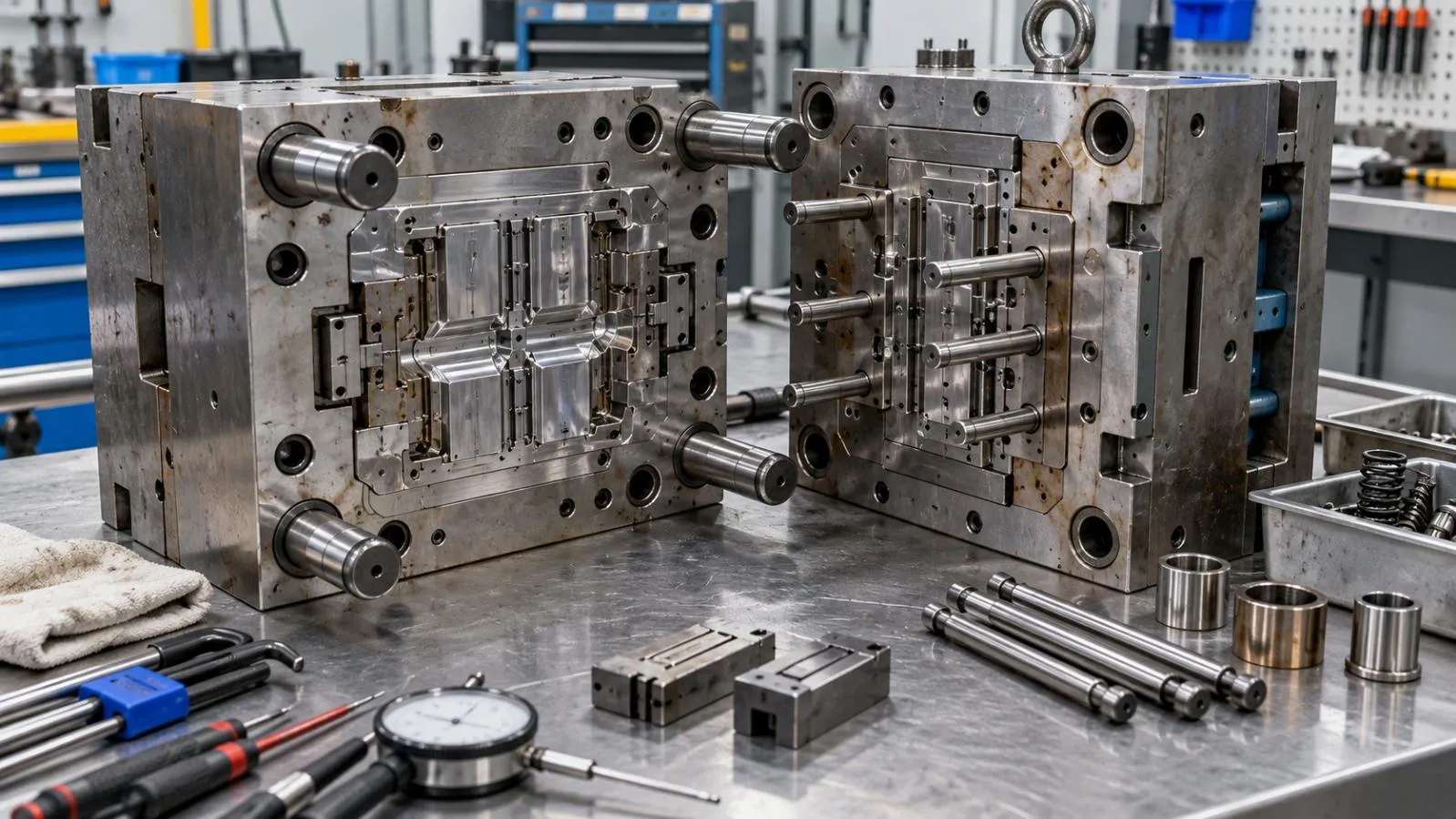
Yijiang Technology provides injection molding services for large components (50 – 2500 tons) such as large appliance housings and battery trays for automobiles. It can develop molds and assist in molding.
The development of molds and the molding services for large components of ESS can be undertaken by Yijiang Technology. However, the assessment of these services does not address ESS thermal runaway, certification, and other safety concerns.
Yijiang Technology is invited to review the specifications of the ESS component to determine if the requested properties can be achieved by injection molding including sealing and thickness of component walls. Depending on the review of Yijiang Technology, additional assessment may be required before release of components for production.
FAQs
Q1. Does Yijiang Technology provide large housing injection molding for energy storage systems?
Yijiang Technology provides large-scale injection molding services suitable for evaluating custom energy storage equipment housings. Project feasibility depends on component geometry, materials, and safety requirements.
Q2. What injection molding machine capacity does Yijiang Technology offer?
Yijiang Technology offers injection molding machines ranging from 50 to 2500 tons, supporting both precision components and oversized plastic housings.
Q3. Can Yijiang Technology develop custom molds for large ESS housings?
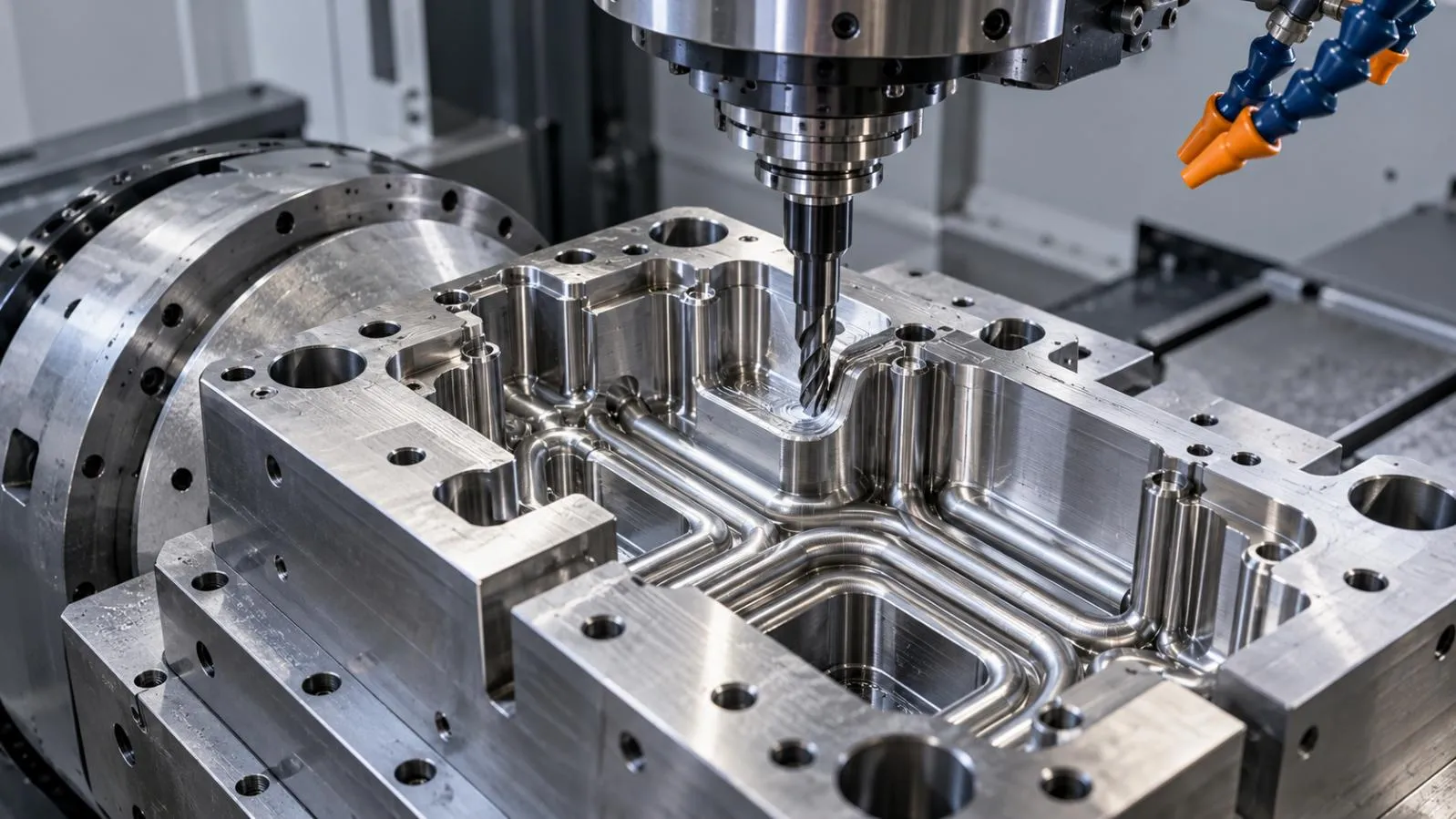
Yes. Yijiang Technology offers custom mold design, manufacturing, and trial molding services for large plastic components.
Q4. What materials can Yijiang Technology process for large plastic housings?
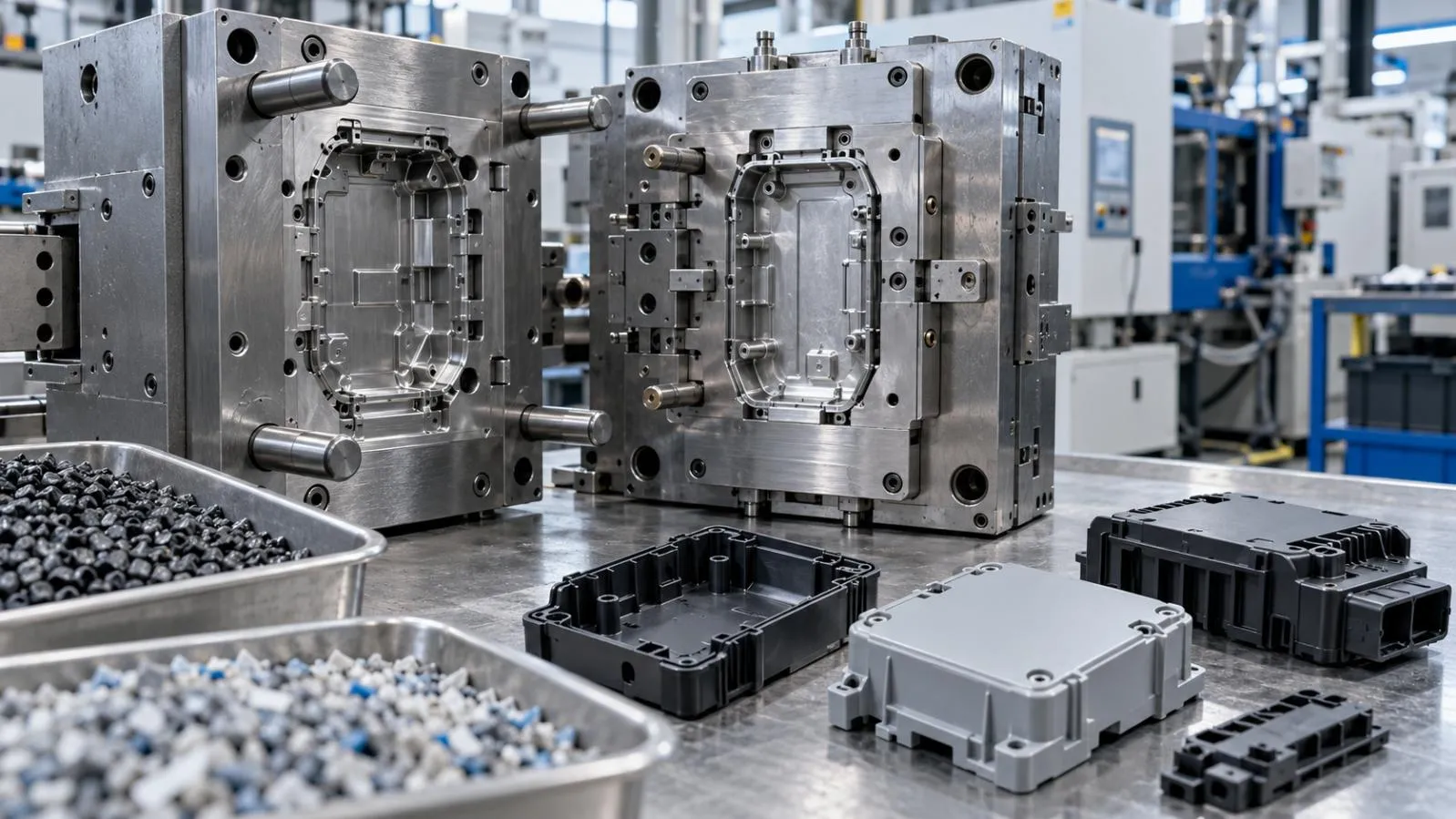
Yijiang Technology offers PP, ABS, PC, PA, and modified engineering plastics. Specific flame-retardant grades require project-level confirmation.
Q5. How does Yijiang Technology control warpage in large injection-molded housings?
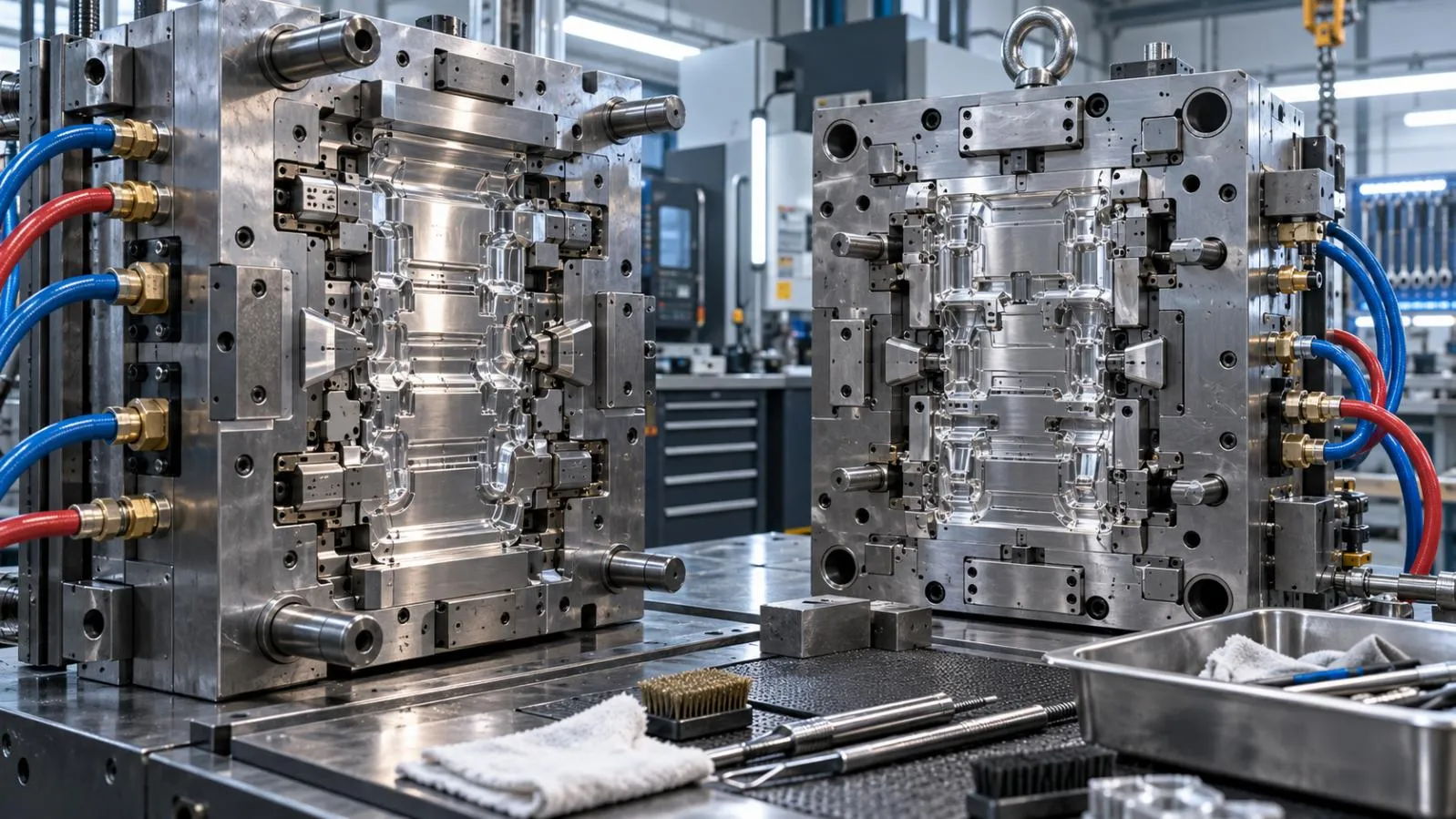
Yijiang Technology uses optimized runner layouts, balanced cooling systems, and controlled molding processes. Dimensional stability must be verified through molded-part inspection.
- PREV: Null
- NEXT: Null

Yijiang is a professional custom manufacturing partner specializing in large-scale injection molding and precision mold development. We support global clients in automotive,
in large-scale injection molding and precision mold development. We support global clients in automotive,


Get a quote from the China’s #1 CNC Machining Services.
Ready to get started? Connect with us today!
 Talk to Our Team