Contract Injection Molding Services for Lightweight EV Parts


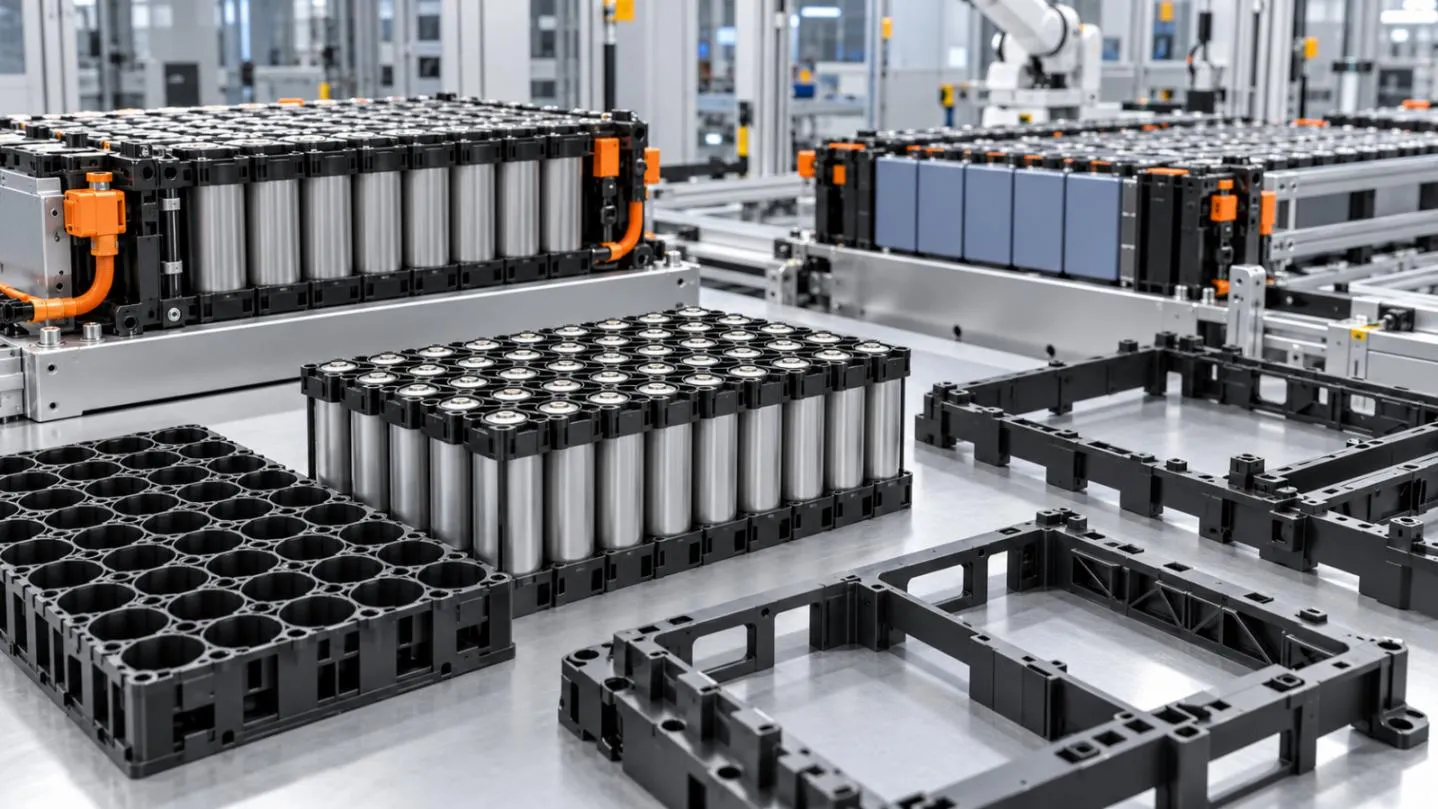

Contract Injection Molding Services are crucial for battery lightweighting to produce EVs. Using injection molding, battery components and brackets can be made lighter. In assessing how to make battery components and brackets lighter, the stiffness of the battery components and the insulation of the battery components (and the brackets) from electrical currents must be analyzed. Also, the dimension stability of the brackets must be assessed. Other factors to be analyzed include the ability of the material to withstand high temperatures, the degree of shrinkage of the material during the molding process, and the way the battery components and brackets can be molded.
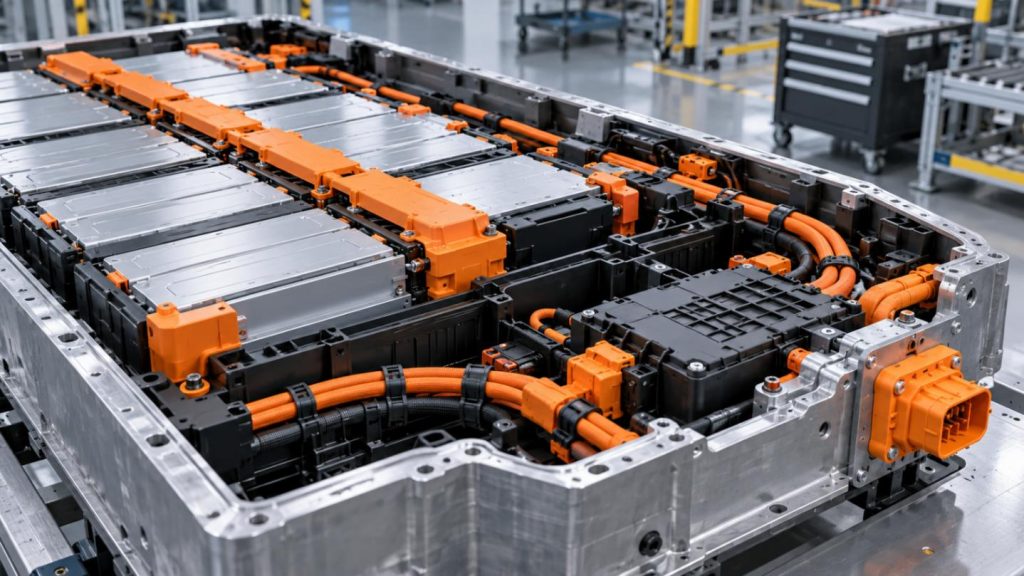
At Yijiang Technology, the molding, engineering and manufacturing of EV battery components is integrated. This helps us analyze the battery components for moldability and to assess their functionality.
1. Where Can Injection Molding Reduce EV Battery Weight?
Within battery systems, the material requirements of the functional load-bearing structures and the functional non-load bearing components vary considerably.
The non-load bearing components, busbar covers and insulators, require the highest dielectric strength and tracking performance of all plastic components in a battery system.
Plastic components of battery housings may require the integration of features such as clips and ribs. The components may also require impact and creep resistance.
How Can Component Weight be Reduced Beyond Material Density?
A reduction in component density, may not result in a reduction in component mass, particularly if wall thickness is increased to provide structural integrity.
2. Material Choice for Contract Injection Molding
The selection of molding material defines not only the part's performance but also affects mold design and choice of processing temperature, extent of shrinkage, and cost of the part.
We study operating environment (temperature and other loading conditions), chemistry, and electricity before screening the options available for manufacture of a part.
Comparative Table of Engineering Plastics
| Materials | Features and Advantages | Applications in EV Batteries | Limits |
| PP-GF | Low density, chemical resistance | Module frames and covers | Heat deflection temperature (HDT) grade dependent |
| PA66-GF | High stiffness and strength | Cell supports and brackets | Dimensionally unstable |
| PBT | Electrical insulating and dimensional stability | Busbar holders | HDT and impact grade dependent |
| FR-PC/ABS | High impact strength and moldability | Housings | Flame rating and thermal aging |
| PPS | Heat and chemical stability | High temperature electrical parts | Expense |
Manufacturing Plastic Parts
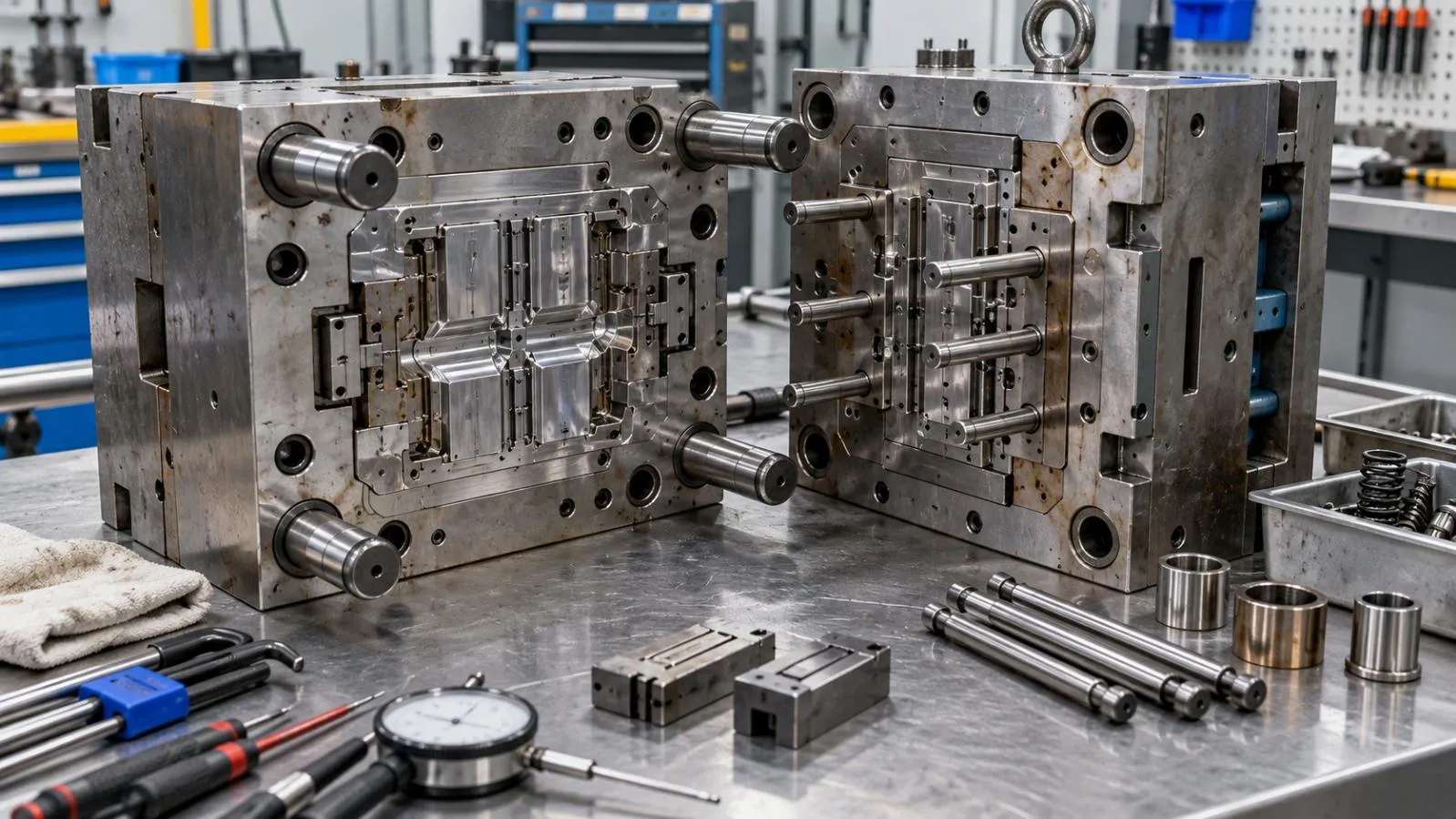
A mold maker needs information on various properties of the material to design an injection mold. Some of the properties are described below:
- Density: Denotes part weight.
- Mechanical Properties: Impact strength, Flexural Modulus, and yield strength of part, and other mechanical properties.
- HDT: Thermal stability and part's ability to withstand loads and deflection.
- CTI, Dielectric Strength, and other properties: Electrical strength and other properties of part.
- Shrinkage: Affects part fit and assembly.
- Flammability: Aids in determining grade and thickness of part.
Fiber reinforced engineering plastics exhibit high stiffness and are extensively used in long battery housings. Battery housings need to be designed considering the orientation of reinforcing fibers.
3. EV Components: Design and Production Processes
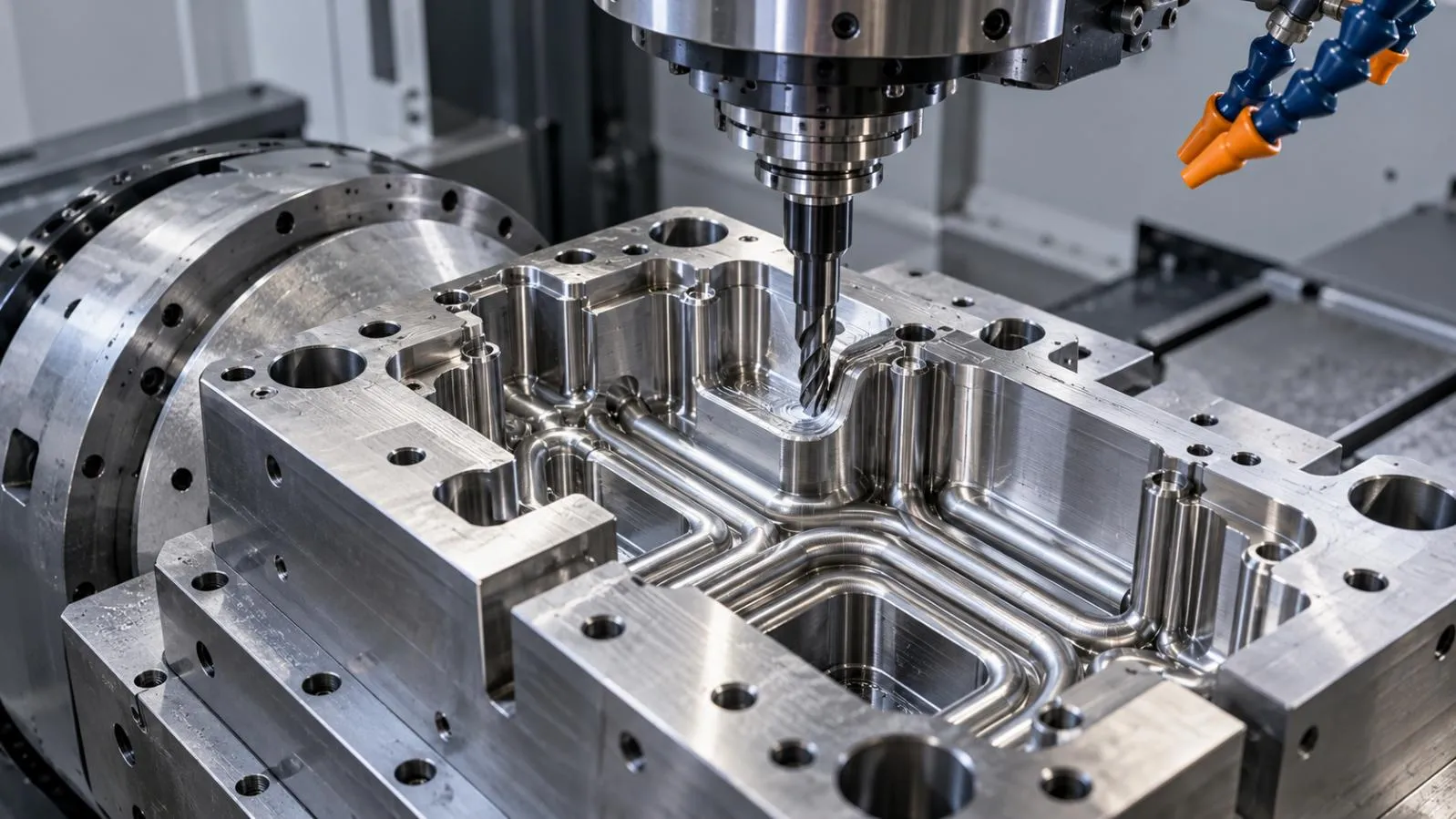
Parts fabrication using Engineering Plastics requires advanced design and mold engineering. Mold flow analysis is conducted to verify design and analysis.
The geometry of a component defines its shape and design and plays a key role in the understanding of DFM and Mold Flow analysis.
Variability in physical features of components may result in poor molding such as:
•Unbalanced filling and Warpage due to thick or thin sections.
•Mold venting may result in burn marks.
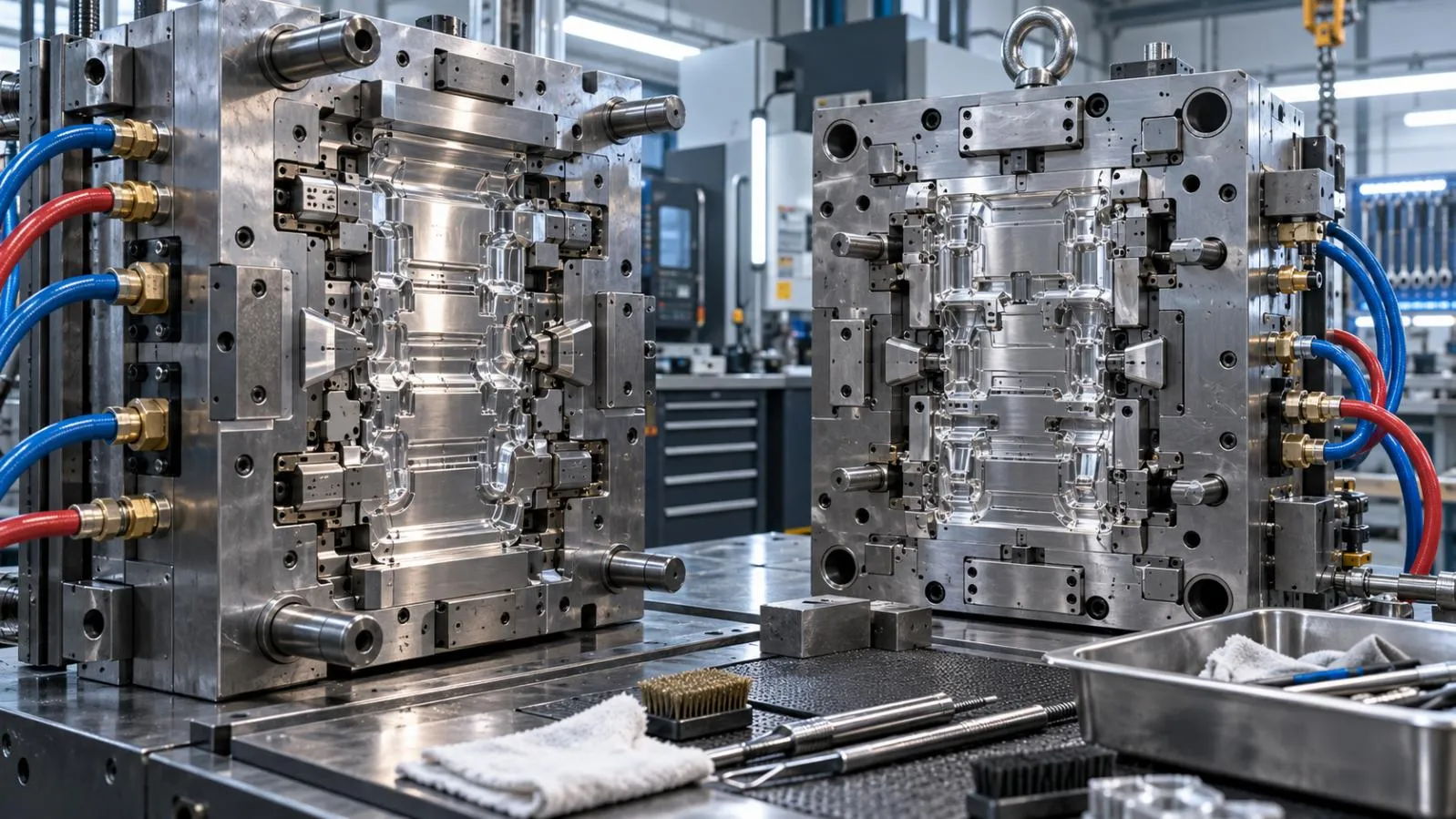
•Even cooling of a mold may result in Warpage.
•Even charge packing is critical to prevent component Warpage and distortion.
Yijiang Technology aims at producing automotive components including doors, hoods, fenders and bumper covers of large and complex shapes. We have more than thirty (30) Injection molding machines of capacities 50-2500 tons.
4. EV Battery Components
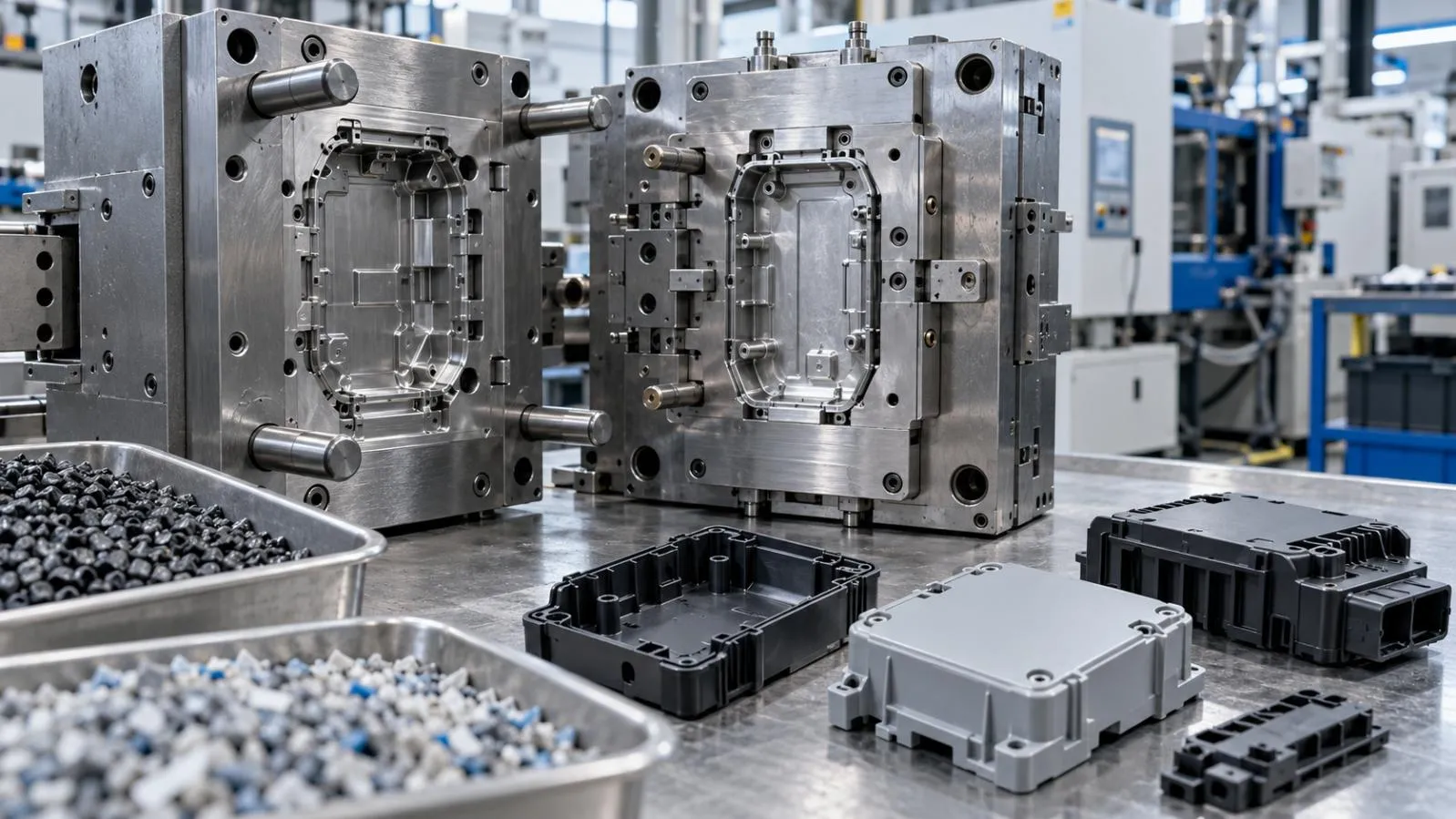
Injection molding of battery component parts requires understanding and evaluation of the complete battery system, not just the component, material, and process level controls.
A UL 94 V-0 classification describes material burning behavior under specified test conditions. It does not independently demonstrate resistance to battery thermal runaway.
| Standard | Primary Verification Scope |
| UL 94 | Plastic material flammability |
| UL 2580 | EV battery assembly safety |
| UNECE R100 | Applicable vehicle electrical and battery safety requirements |
| ISO 6469-1 | Rechargeable energy storage system safety |
| GB 38031-2025 | Chinese traction-battery safety requirements |
GB 38031-2025 took effect on July 1, 2026, making battery safety verification an important consideration for relevant Chinese-market projects.
Manufacturers should define the applicable standards with the OEM and assess thermal cycling, vibration, insulation, and dimensional stability at the appropriate component or system level.
5. Tooling Economics and Production Scalability
Lower prices for raw resin often don't lead to lower costs for finished parts.
When reviewing contract injection molding services, total unit cost is the sum of many factors including:
How much material is used and how much is lost in the molding process
•Investment and cost of the mold
•Energy and time required for a machine to cycle
•Finished part quality and scrap
•Additional operations, i.e. finishing and assembly.
•Using a stronger material may increase the cost of the material, but simplify the part assembly.
When changing from a prototype to large-scale production, manufacturers test mold trials to ensure that the process meets their requirements.
Along with machine availability and pricing, electric vehicle (EV) manufacturers need to assess a contract manufacturer's injection molding services when evaluating potential injection molding suppliers.
Supporting documentation during the supplier qualification process need to include first article inspection reports, critical process and procedures, and product and process validation.
If the supplier meets the standards for the product and process required by the automotive industry, it is assumed the supplier can also meet other industry and program standards.
Yijiang Technology is a service provider for tooling and molding. It simplifies EV part manufacturing by consolidating the design and production of tooling and molding, as well as the design and production of the part.
For injection molding of EV battery components, Yijiang Technology evaluates potential designs, considers client needs for volume and specification of the part, and identifies and reviews expectations for the tooling and molding of the part.
FAQs
Q1. Does Yijiang Technology provide Contract Injection Molding Services for EV battery components?
Yes. Yijiang Technology offers custom injection molding, mold development, and manufacturing support for automotive and new energy applications, including battery-related plastic components.
Q2. Can Yijiang Technology manufacture large EV battery trays?
Yes. Our large-tonnage injection molding capabilities include battery tray applications. Actual manufacturing feasibility depends on component dimensions, material requirements, and tooling design.
Q3. What injection molding machine capacities does Yijiang Technology offer?
We operate more than 30 injection molding machines, with clamping forces ranging from 50T to 2500T, supporting precision components and large plastic parts.
Q4. Does Yijiang Technology provide material selection support?
Yes. Our engineering team assists with material selection based on mechanical strength, thermal requirements, dimensional stability, processing characteristics, and intended applications.
Q5. Does Yijiang Technology offer DFM and mold engineering services?
Yes. We provide Design for Manufacturability (DFM) reviews, mold design, tooling development, and trial molding to identify potential manufacturing issues before production.
- PREV: Null
- NEXT: Null

Yijiang is a professional custom manufacturing partner specializing in large-scale injection molding and precision mold development. We support global clients in automotive,
in large-scale injection molding and precision mold development. We support global clients in automotive,


Get a quote from the China’s #1 CNC Machining Services.
Ready to get started? Connect with us today!
 Talk to Our Team