How Much Does Custom Injection Molding Cost in 2026?

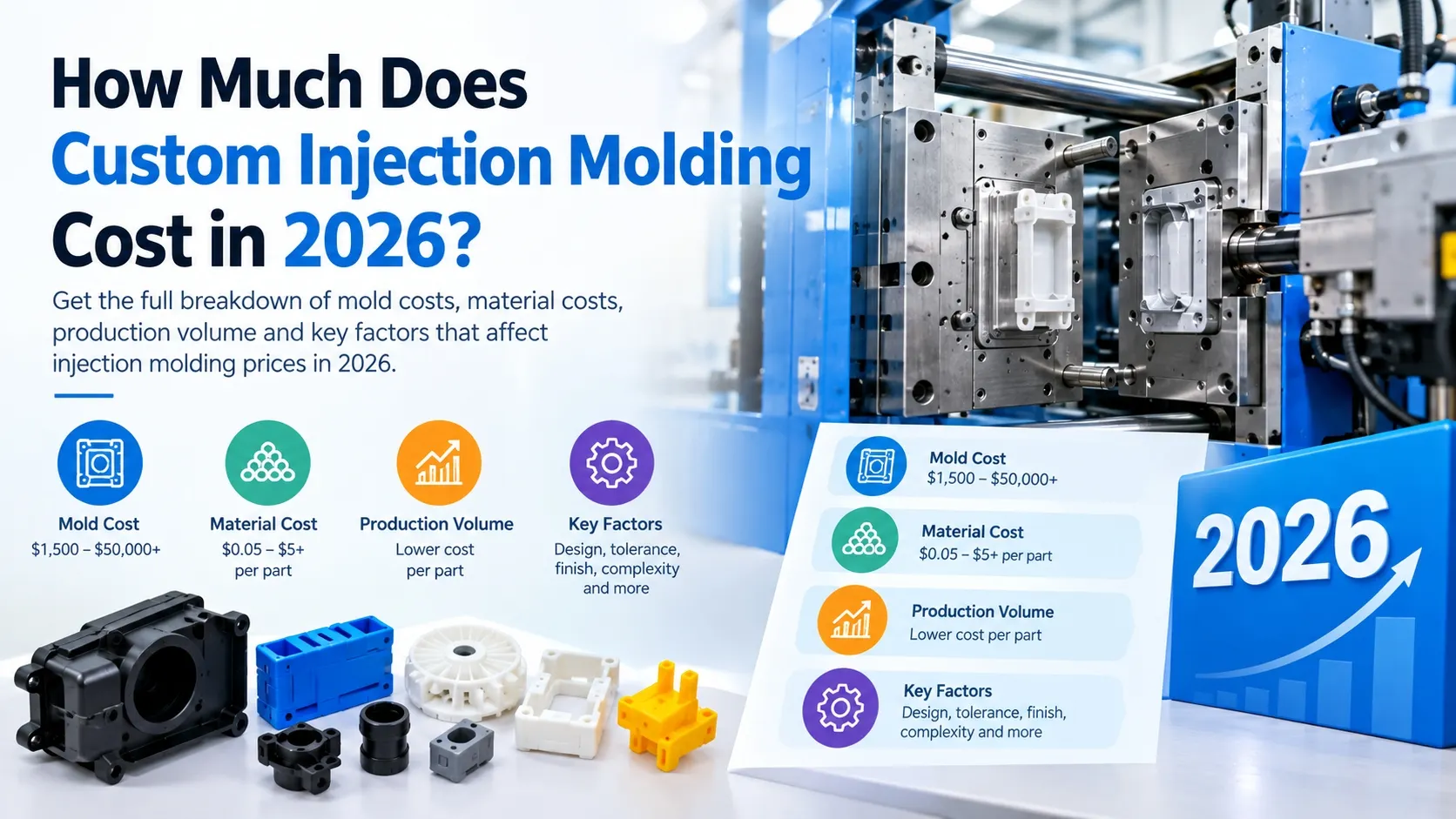
Table of Contents

- Average Custom Injection Molding Cost in 2026
- 1. Injection Mold Cost
- 2. Plastic Material Costs
- 3. Part Design and Complexity
- 4. Production Volume
- 5. Mold Cavities
- 6. Surface Finish and Cosmetic Requirements
- 7. Tolerances and Quality Requirements
- 8. Machine Size and Cycle Time
- How to Reduce Custom Injection Molding Costs
- Is Custom Injection Molding Worth the Cost in 2026?
- Frequently Asked Questions
- Conclusion


At this day and age, custom injection molding is still one of the most cost-efficient manufacturing processes for producing large quantities of plastic parts. The overall cost depends on the mold design, material, part size, quantity, tolerances, surface finish and manufacturing necessities.
So, how much does custom injection molding cost in 2026? The price of injection molding varies widely depending on the project, with the cost of a simple prototype mold being a few thousand dollars, and the cost of complex production tooling being tens of thousands of dollars or more. Once volume is reached, the cost of the plastic portion can be a few cents to a few dollars per piece.
This guide will help you understand the key cost considerations and offer realistic numbers for businesses that are considering a custom injection molding project in 2026.
Average Custom Injection Molding Cost in 2026
The overall expense of an injection molding job usually includes two major aspects: the expense of the mold tooling and the cost to produce the parts.
Common 2026 price range are:
| Cost Item | Typical 2026 Range |
|---|---|
| Simple prototype mold | $1,500–$5,000 |
| Standard production mold | $5,000–$15,000 |
| Complex production mold | $15,000–$50,000+ |
| Multi-cavity mold | $20,000–$100,000+ |
| Plastic part production | $0.05–$5+ per part |
| Engineering and design | $500–$5,000+ |
These figures are general estimates rather than fixed prices. A manufacturer must evaluate the specific part geometry, material, annual volume, mold life, tolerances, and production requirements before providing an accurate quotation.
1. Injection Mold Cost
The injection mold is usually the largest upfront investment.
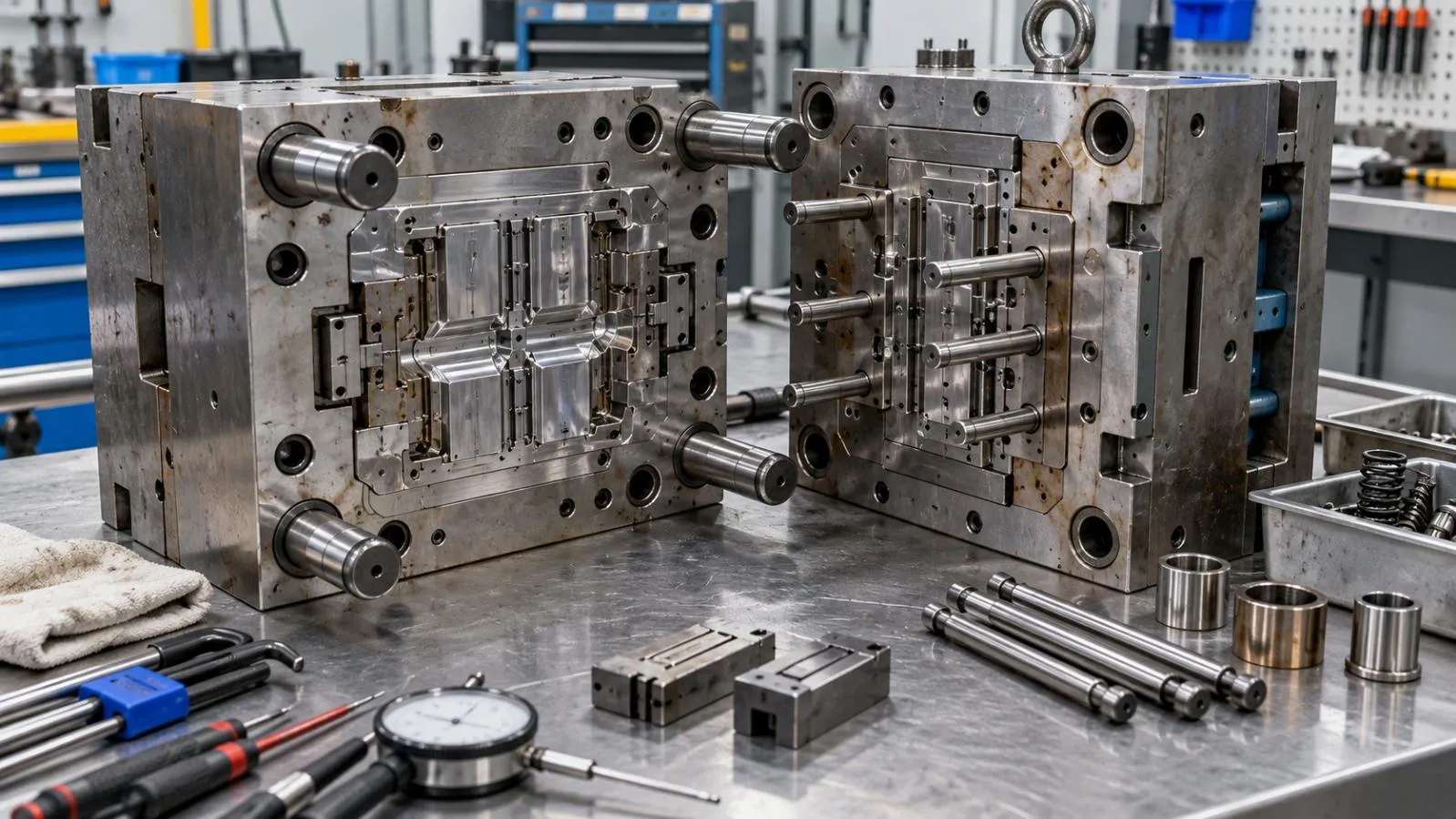
A simple mold with a basic part geometry may cost only a few thousand dollars. More sophisticated molds can cost tens of thousands of dollars because they require advanced machining, special tooling, complex slides, lifters, inserts, or sophisticated cooling systems.
The mold price is influenced by:
- Part size and geometry
- Number of cavities
- Mold steel
- Surface finish
- Tolerance requirements
- Cooling system
- Ejection system
- Slides and lifters
- Hot runner or cold runner design
- Expected mold life
For example, a single-cavity mold for a small, simple plastic component may be relatively inexpensive. A four- or eight-cavity mold with complex side actions and tight tolerances will require substantially more engineering and machining.
2. Plastic Material Costs
The type of plastic used also affects the final cost.
Common injection molding materials include:
- ABS
- PP
- PE
- PC
- PA/Nylon
- POM
- TPU
- TPE
- PMMA
- PEEK
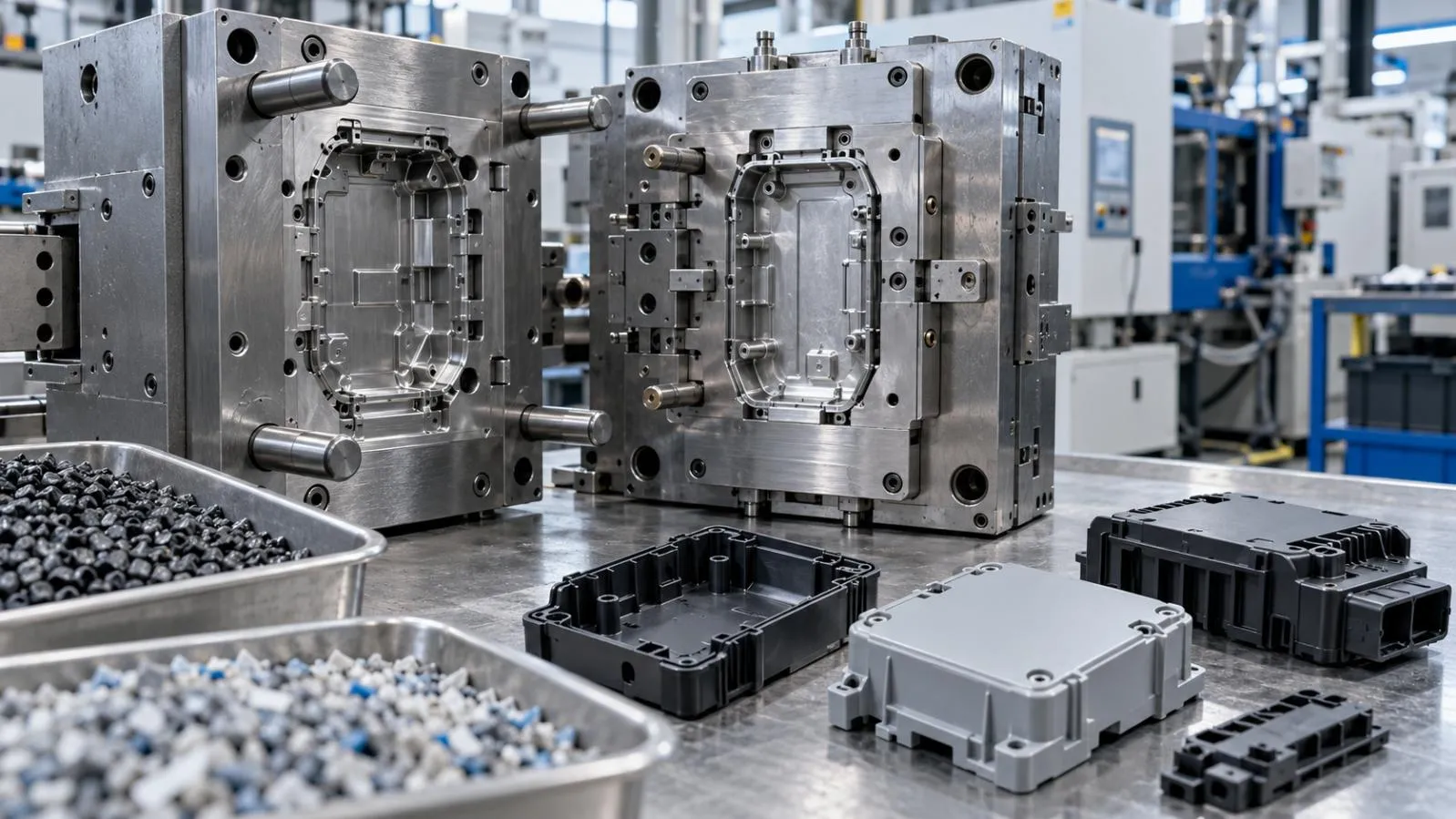
Commodity materials such as PP and PE are generally less expensive than engineering plastics such as PC, POM, Nylon, or PEEK.
Material selection should not be based only on price. Mechanical strength, temperature resistance, chemical resistance, dimensional stability, appearance, and regulatory requirements may all determine which material is appropriate.
Using recycled or regrind material may reduce costs for some applications, but it is not suitable for every product.
3. Part Design and Complexity
Part geometry has a direct impact on injection molding cost.
Simple parts with uniform wall thickness, minimal undercuts, and straightforward ejection are usually cheaper to manufacture. Complex components may require slides, lifters, inserts, collapsible cores, or other specialized tooling.
Design features that can increase costs include:
- Deep cavities
- Thin walls
- Undercuts
- Threads
- Complex ribs
- Tight tolerances
- Large flat surfaces
- Multiple side actions
- Highly polished surfaces
A good Design for Manufacturing (DFM) strategy can significantly reduce both tooling and production costs.
For example, eliminating unnecessary undercuts or simplifying the parting line may reduce mold complexity and shorten manufacturing time.
4. Production Volume
Production quantity is one of the most important factors when calculating injection molding costs.
Injection molding has relatively high initial tooling costs but relatively low unit costs at high production volumes. This makes the process particularly attractive for mass production.
Consider a simplified example:
- Mold cost: $10,000
- Production volume: 10,000 parts
- Tooling cost per part: $1.00
If production increases to 100,000 parts, the tooling cost becomes:
- $10,000 ÷ 100,000 = $0.10 per part
Therefore, the same mold can become much more economical as production volume increases.
For high-volume products, manufacturers may also recommend multi-cavity molds. One mold cycle can then produce multiple parts, increasing productivity and reducing labor and machine costs per unit.
5. Mold Cavities
The number of cavities determines how many parts are produced during each molding cycle.
A single-cavity mold produces one part per cycle, while a four-cavity mold produces four parts. Higher cavity counts generally increase the initial mold investment, but they can substantially reduce the cost per part during high-volume production.
A manufacturer may recommend:
- 1 cavity for low-volume production
- 2–4 cavities for medium-volume production
- 8–32+ cavities for high-volume production
The ideal cavity count depends on annual demand, machine capacity, cycle time, part size, and the required return on tooling investment.
6. Surface Finish and Cosmetic Requirements
Cosmetic requirements can also increase injection molding costs.
Standard molded finishes are generally more economical. However, products requiring high-gloss polishing, texture, EDM finishes, mirror surfaces, or special cosmetic treatment may require additional mold processing.
For consumer electronics, automotive components, medical products, and premium consumer goods, surface appearance can be an important part of the manufacturing specification.
The more demanding the appearance requirements, the more time and expertise may be required during mold manufacturing and quality inspection.
7. Tolerances and Quality Requirements
Tight dimensional tolerances increase manufacturing costs because they require more precise tooling, process control, measurement, and inspection.
For standard plastic components, normal injection molding tolerances may be sufficient. Precision components may require:
- CNC machining
- Precision mold grinding
- CMM inspection
- Mold temperature control
- Advanced process monitoring
- Additional quality inspections
Businesses should avoid specifying unnecessarily tight tolerances. A tolerance should be as tight as the product's actual function requires.
8. Machine Size and Cycle Time
Injection molding machines are selected based on factors such as injection volume, clamping force, part size, and mold dimensions.
Larger machines generally have higher operating costs.
Cycle time is another important factor. A typical molding cycle may include:
- Mold closing
- Plastic injection
- Packing and holding
- Cooling
- Mold opening
- Part ejection
A shorter cycle time can increase production capacity and reduce the cost per part.
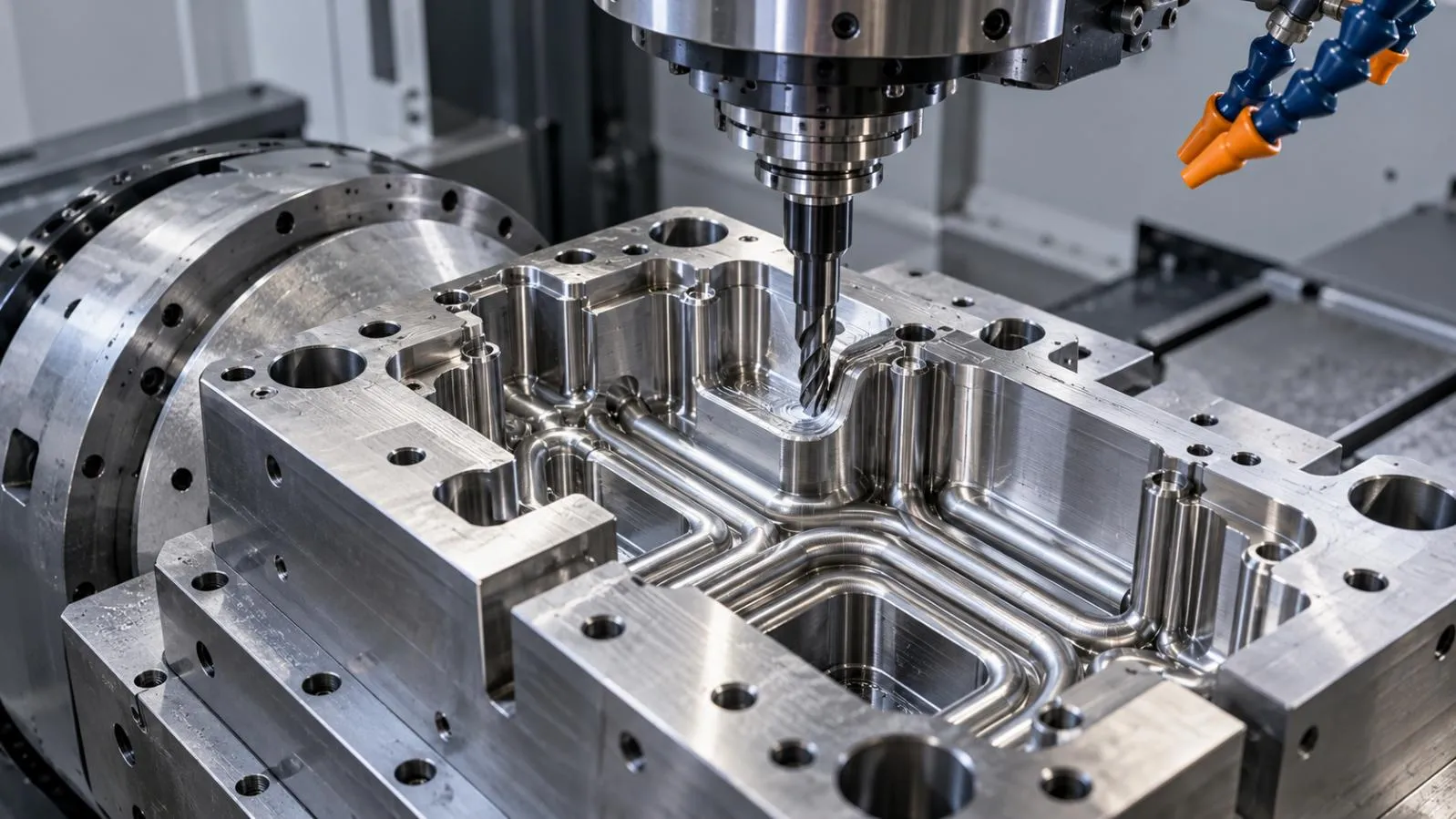
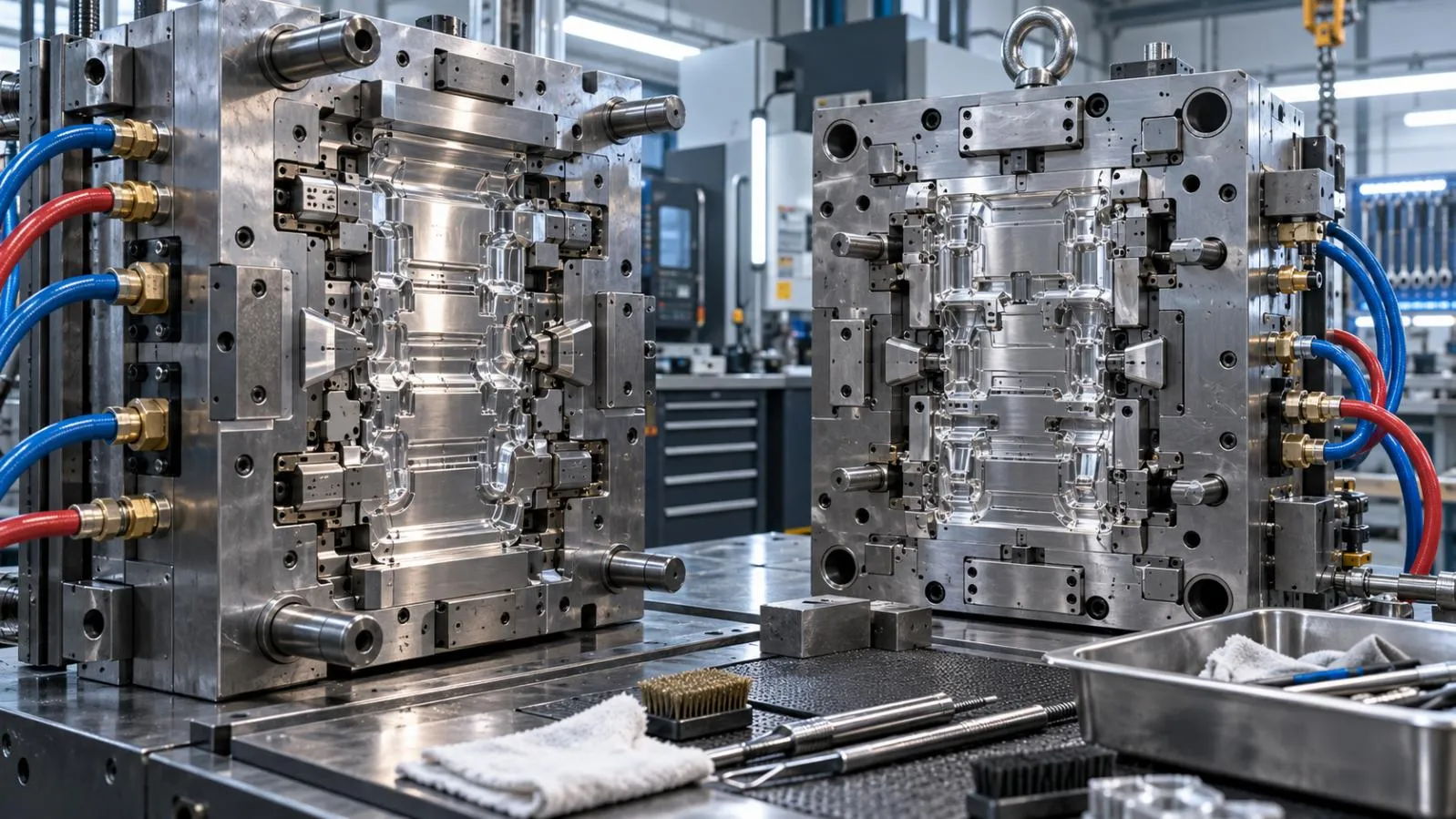
Efficient cooling channel design is therefore important for both productivity and part quality.
How to Reduce Custom Injection Molding Costs
Businesses can reduce overall injection molding costs by optimizing the project before tooling begins.
Choose the Right Material
Do not automatically select the most expensive engineering plastic. Choose a material that meets the actual performance requirements.
Simplify the Mold
Reducing unnecessary slides, lifters, inserts, and complex mechanisms can lower tooling costs.
Optimize Wall Thickness
Uniform wall thickness can reduce warping, sink marks, cooling time, and material consumption.
Select the Right Cavity Count
Higher cavity counts are not always better. The correct configuration should balance tooling investment with expected production volume.
Design for High-Volume Production
If thousands or millions of parts are required, optimizing cycle time and automation can have a major impact on long-term manufacturing costs.
Request DFM Analysis
A professional injection molding manufacturer can identify potential design problems before mold production starts. Fixing a design issue during DFM is usually much cheaper than modifying an expensive completed mold.
Is Custom Injection Molding Worth the Cost in 2026?
For medium- and high-volume plastic production, custom injection molding can provide an excellent balance between quality, repeatability, production speed, and unit cost.
The process becomes especially attractive when the same component must be produced in large quantities. Although tooling can require a significant upfront investment, the cost per part can decrease dramatically as production volume increases.
For low-volume products, alternative technologies such as 3D printing, CNC machining, vacuum casting, or rapid tooling may sometimes be more economical.
The best manufacturing method ultimately depends on production volume, part complexity, material, required quality, and target cost.
Frequently Asked Questions
How much does a custom injection mold cost in 2026?
A simple custom injection mold may cost approximately $1,500–$5,000, while standard production molds often cost $5,000–$15,000. Complex or multi-cavity molds can cost $20,000–$100,000 or more.
How much does injection molding cost per part?
Injection molded parts can cost from approximately $0.05 to several dollars per piece. The actual price depends on material, part weight, cycle time, mold cavities, production volume, and quality requirements.
What is the cheapest plastic for injection molding?
PP and PE are commonly among the more economical injection molding materials. However, the cheapest material is not necessarily the best choice for a specific application.
Does higher production volume reduce injection molding costs?
Yes. Higher production volumes spread the initial mold investment across more parts and can also justify multi-cavity molds and automated production.
How can I get an accurate injection molding quote?
Present 3D CAD model and 2D drawings where available, material specifications, projected annual/unit order quantity, surface finish and colour specifications, quality requirements etc. The professional manufacturer may then do DFM analysis and give a more precise quotation for tooling and production.
Conclusion
When it comes to custom injection molding costs in 2026, it's far more than just the cost of the plastic part. The complexity, materials used, cavity count, production volume, tolerances, surface finish, cycle time, and quality requirements all influence the cost.
Injection molding can be very economical for businesses that manufacture thousands or millions of identical plastic parts, and it can also provide very consistent production. The trick is to make the part and mold design as optimal as possible before the part is made.
By collaborating with a seasoned custom injection molding company, you can choose the ideal material, optimize the mold design, choose the right cavity count, reduce production costs, and ensure long-term manufacturing efficiency and reliability.
- PREV: Null
- NEXT: Null

Yijiang is a professional custom manufacturing partner specializing in large-scale injection molding and precision mold development. We support global clients in automotive,
in large-scale injection molding and precision mold development. We support global clients in automotive,


Get a quote from the China’s #1 CNC Machining Services.
Ready to get started? Connect with us today!
 Talk to Our Team